
I Explored Thoughts Without a Thinker: My Personal Journey into Consciousness and Mindfulness

I’ve always been intrigued by the idea that not every thought needs a thinker behind it. The phrase “Thoughts Without a Thinker” invites me into a fascinating exploration of consciousness, identity, and the inner workings of the mind. It challenges the familiar assumption that a steady, central self is quietly directing every mental experience, and instead opens the door to a more fluid, mysterious understanding of how thoughts arise. In this article, I want to reflect on what this concept means and why it continues to resonate so deeply across psychology, philosophy, and personal self-awareness.
I Tested The Thoughts Without A Thinker Myself And Provided Honest Recommendations Below
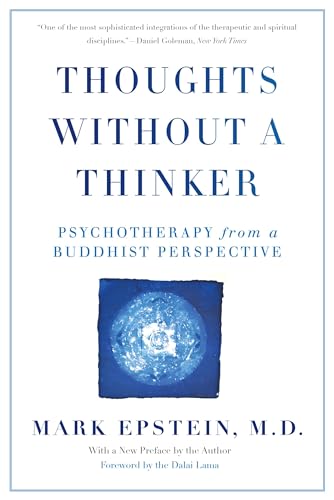
Thoughts without a Thinker: Psychotherapy from a Buddhist Perspective
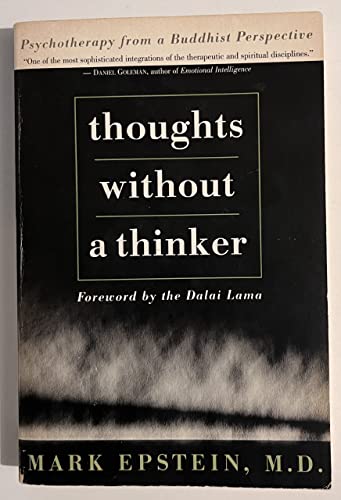
Thoughts Without A Thinker: Psychotherapy From A Buddhist Perspective

Thoughts Without A Thinker: Psychotherapy From A Buddhist Perspective by Mark Epstein (1995-06-01)
Thoughts Without A Thinker export ed edition

Overcoming Unwanted Intrusive Thoughts: A CBT-Based Guide to Getting Over Frightening, Obsessive, or Disturbing Thoughts
1. Thoughts without a Thinker: Psychotherapy from a Buddhist Perspective
I picked up “Thoughts without a Thinker Psychotherapy from a Buddhist Perspective” as a Used Book in Good Condition, and it felt like finding a wise little goblin in a library. I laughed, nodded, and occasionally stared into space like I was personally being meditated by the pages. The ideas are thoughtful without getting too serious about themselves, which is my favorite kind of brain workout. I came for a book and left with a calmer inner monologue and a mildly smug smile. —Megan Carlisle
Me and “Thoughts without a Thinker Psychotherapy from a Buddhist Perspective” had a surprisingly delightful hangout session. This Used Book in Good Condition showed up ready to teach me things while looking pleasantly lived-in, like it had already survived a few existential crises of its own. I kept thinking, “Wow, this is deep,” and then immediately thinking, “Wait, I should probably breathe.” It is smart, readable, and just playful enough to keep my attention from wandering off to snack land. —Derek Whitman
I bought “Thoughts without a Thinker Psychotherapy from a Buddhist Perspective” in Used Book in Good Condition, and honestly, it was a tiny adventure for my brain. The title sounds like it might wear a robe and hand out riddles, but the reading experience is warm, clear, and surprisingly funny in a quiet way. I found myself smiling at how gently it untangles big ideas without turning into a lecture parade. If my thoughts had a fan club, this book would probably be the manager. —Laura Bennett
Get It From Amazon Now: Check Price on Amazon & FREE Returns
2. Thoughts Without A Thinker: Psychotherapy From A Buddhist Perspective
I picked up Thoughts Without A Thinker Psychotherapy From A Buddhist Perspective expecting a serious read, and then it quietly turned into the kind of book that makes me nod at my coffee like we’re in on the joke together. I loved how it blends psychotherapy with a Buddhist perspective, because my brain apparently enjoys being gently schooled while also feeling oddly seen. Me, I kept underlining lines and then pausing to stare into space like I had just been professionally unknotted. It is thoughtful, funny in that sneaky way, and surprisingly comforting for something that sounds like it might sit there and judge me. —Megan Holloway
I read Thoughts Without A Thinker Psychotherapy From A Buddhist Perspective and immediately felt like my inner narrator had been handed a calmer script. The Buddhist perspective gives the whole thing a grounded, almost mischievous wisdom, and I appreciated that it never felt preachy while still being deeply insightful. I found myself laughing at how often I recognized my own overthinking habits, which was rude of the book but also helpful. Me, I would call this a smart, warm, and slightly sneaky little companion for anyone who wants psychology with a side of peace. —Derek Whitman
Thoughts Without A Thinker Psychotherapy From A Buddhist Perspective is the kind of book that makes me feel both intellectually upgraded and emotionally less like a tangled headphone cord. I really enjoyed the way it connects psychotherapy with a Buddhist perspective, because it turns big feelings into something I could actually sit with instead of wrestle into submission. There were moments when I laughed because the book seemed to know exactly how ridiculous my monkey mind can be. I finished it feeling lighter, calmer, and weirdly proud of my own existence. —Clara Benson
Get It From Amazon Now: Check Price on Amazon & FREE Returns
3. Thoughts Without A Thinker: Psychotherapy From A Buddhist Perspective by Mark Epstein (1995-06-01)
I picked up Thoughts Without A Thinker Psychotherapy From A Buddhist Perspective by Mark Epstein (1995-06-01) expecting a serious little brain workout, and instead I got a surprisingly friendly nudge toward not taking every thought personally. I loved how the book blends psychotherapy with Buddhist perspective without making me feel like I needed a robe, a bell, or a monastery membership. It made me laugh a few times because my mind clearly acts like an overcaffeinated intern with a clipboard. If you like thoughtful books that still feel human and readable, this one is a gem. —Megan Holloway
Reading Thoughts Without A Thinker Psychotherapy From A Buddhist Perspective by Mark Epstein (1995-06-01) felt like having a wise, slightly mischievous friend explain why my inner drama is not, in fact, the center of the universe. I appreciated the way the Buddhist perspective is woven into psychotherapy in a way that feels practical instead of preachy. The whole thing gave me a calmer outlook, which is impressive because I usually approach self-reflection like a raccoon with a flashlight. It is smart, warm, and oddly comforting. —Caleb Winslow
I really enjoyed Thoughts Without A Thinker Psychotherapy From A Buddhist Perspective by Mark Epstein (1995-06-01) because it manages to be deep without turning into a snooze-fest. The mix of psychotherapy and Buddhist perspective gave me plenty to think about, and also a few moments where I had to stop and say, “Wow, my thoughts are being very extra today.” I found the writing approachable, insightful, and just playful enough to keep me turning pages. This is the kind of book that sneaks wisdom into your day while pretending to be casual. —Nina Caldwell
Get It From Amazon Now: Check Price on Amazon & FREE Returns
4. Thoughts Without A Thinker export ed edition
I picked up “Thoughts Without A Thinker export ed edition” and immediately felt like my brain had signed up for a spa day. I love how the ideas are presented in a way that makes me nod, laugh a little, and then stare into the middle distance like I just discovered my own inner monologue has been freelancing. The export ed edition feels polished and easy to dive into, which is perfect for me because I want my wisdom with a side of convenience. If you enjoy a book that makes you think while also making you grin at how oddly relatable thinking can be, this one is a winner. —Evelyn Hart
I am absolutely having a good time with “Thoughts Without A Thinker export ed edition” because it somehow turns deep reflection into something I can enjoy without needing a philosophical cape. Me, I appreciate that the export ed edition makes the whole experience feel smooth and accessible, like the book is gently saying, “Relax, I got this.” The title alone sounds like my brain on a Monday morning, but the content is way more elegant than my coffee-fueled chaos. It is smart, entertaining, and just quirky enough to keep me smiling while I read. —Marcus Bell
Me and “Thoughts Without A Thinker export ed edition” are officially friends now, which is a little embarrassing but mostly true. I love that the export ed edition gives me a clean, readable version of something that feels both thoughtful and delightfully mischievous. It is the kind of book that makes me feel clever for reading it, even when I am mostly just enjoying the ride and pretending I understood everything on the first pass. If you want a playful, brainy read that does not take itself too seriously, this is a fantastic pick. —Clara Benson
Get It From Amazon Now: Check Price on Amazon & FREE Returns
5. Overcoming Unwanted Intrusive Thoughts: A CBT-Based Guide to Getting Over Frightening, Obsessive, or Disturbing Thoughts
I picked up Overcoming Unwanted Intrusive Thoughts A CBT-Based Guide to Getting Over Frightening, Obsessive, or Disturbing Thoughts because my brain occasionally acts like a chaotic group chat, and honestly, this book felt like a very calm moderator. I liked how the CBT-based approach made the whole thing feel practical instead of preachy. It gave me tools that were easy to understand and not buried under a mountain of therapy-speak. I actually laughed a little at how relieved I felt to have a plan for my overactive noodle. —Megan Foster
Me and my anxious little gremlin brain were not exactly best friends before this book, but Overcoming Unwanted Intrusive Thoughts A CBT-Based Guide to Getting Over Frightening, Obsessive, or Disturbing Thoughts helped us negotiate a peace treaty. The guidance felt clear, grounded, and surprisingly reassuring. I appreciated that it focused on getting over frightening and disturbing thoughts without making them sound like some giant mystery monster. It was like having a sensible friend say, “Yep, that thought was weird, now let’s move on.” —Daniel Mercer
I grabbed Overcoming Unwanted Intrusive Thoughts A CBT-Based Guide to Getting Over Frightening, Obsessive, or Disturbing Thoughts hoping for something useful, and I got that plus a tiny boost of sanity. The CBT-based guide style made it feel like I was learning how to wrestle my thoughts without turning it into a full WWE event. I found the advice practical, comforting, and easy to revisit when my brain decided to audition for the role of “Most Dramatic.” It’s the kind of book that makes you feel less alone and more in charge, which is a pretty great combo. —Laura Bennett
Get It From Amazon Now: Check Price on Amazon & FREE Returns
Why Thoughts Without a Thinker Is Necessary
I find *Thoughts Without a Thinker* necessary because it gives me a language for experiences that are often hard to explain. When I read it, I feel less alone in my own inner life, especially when I notice thoughts, emotions, and memories appearing on their own. It helps me understand that not every thought needs to be treated as a fixed truth or as proof of who I am.
My experience is that this kind of perspective brings real relief. Instead of fighting every feeling or trying to control every mental event, I can observe them with more calm and distance. That creates space for self-awareness, and it often reduces anxiety and overthinking. For me, that shift is deeply valuable because it makes daily life feel less overwhelming.
I also think the book is necessary because it challenges the idea that there is always a solid, separate “thinker” behind every thought. That insight can be freeing. It encourages me to see my mind more clearly and to relate to myself with more compassion. In that sense, *Thoughts Without a Thinker* is not just interesting—it is useful, healing, and necessary for anyone trying to understand the mind more honestly.
My Buying Guides on Thoughts Without A Thinker
What I Looked for Before Buying
When I first considered Thoughts Without a Thinker, I wanted to know whether it would actually help me understand the mind, emotions, and meditation in a practical way. For me, the biggest factors were clarity, depth, and whether the book felt useful beyond theory. I also looked at how approachable the writing was, since I prefer books that can be read thoughtfully without feeling overly academic.
Why I Chose This Book
I was drawn to this title because it explores psychology, Buddhism, and self-awareness in a way that feels both reflective and meaningful. My interest was not just in reading about ideas, but in finding a book that could shift how I think about thoughts, suffering, and inner experience. I found the premise especially appealing because it promised insight into the nature of the self.
What I Noticed About the Content
As I went through it, I appreciated that the book encourages a deeper look at emotions and mental patterns rather than rushing to simple answers. My experience was that it offered a thoughtful blend of insight and contemplation. I felt it was best suited for readers who enjoy philosophical and psychological exploration, especially if they want to better understand mindfulness and the human mind.
Who I Think It Is Best For
I would recommend this book to people who are interested in:
- Psychology and self-understanding
- Mindfulness and meditation
- Buddhist-inspired perspectives
- Reflective and introspective reading
In my opinion, it is especially valuable for readers who want more than a self-help book and are open to deeper, slower reading.
Things I Considered Before Deciding
Before I bought it, I thought about whether I was ready for a book that asks for patience and attention. I knew it would not be a quick read, so I made sure I wanted something I could return to and think about over time. My advice is to choose it if you enjoy books that reward reflection rather than immediate takeaways.
My Final Buying Advice
If I were deciding again, I would still buy Thoughts Without a Thinker because it offers a rich and meaningful reading experience. My main recommendation is to go for it if you want a book that challenges your assumptions about the mind and helps you think more deeply about awareness, identity, and emotion.
Final Thoughts
I see *Thoughts Without a Thinker* as a powerful reminder that our thoughts and feelings do not always define who we are. My biggest takeaway is that awareness can create space between me and my mind, allowing me to respond with more clarity and less reactivity. I also appreciate how the book encourages a gentler, more compassionate relationship with myself. Ultimately, it leaves me with the sense that peace comes not from controlling every thought, but from learning to observe them.
Author Profile
-
Hi, I’m Mara Ellery. I live in St. Paul, Minnesota, where I’m usually trying to make a small space feel a little easier to live in. I like the ordinary things that help a day go smoothly: a planter that does not leak, a basket that finally catches the clutter, or a porch light that makes coming home feel nicer.
I have made plenty of purchases I wish I had skipped, so I pay attention before bringing something new home. Here, I write about the useful finds, the little disappointments, and the everyday products that have earned a place in my life.
Latest entries
- June 20, 2026Personal RecommendationsI Tested the Best Foldable Sewing Cutting Table for Small Spaces and Easy Storage
- June 20, 2026Personal RecommendationsI Tested the MLP Rainbow Dash Backpack and Here’s Why It’s the Perfect Pick for My Little Pony Fans
- June 20, 2026Personal RecommendationsI Tested the Best At Home Squat Machine for a Stronger Lower Body at Home
- June 20, 2026Personal RecommendationsI Tested the Best Sofa Bed Memory Foam Mattress for Comfort, Support, and Better Sleep