I Tested Strong at the Broken Places and Discovered How Brokenness Can Make You Stronger

I’ve always been drawn to phrases that carry both pain and resilience, and “Strong At The Broken Places” is one of those expressions that lingers long after you hear it. It speaks to the quiet truth that strength is not always about being unshaken; sometimes, it’s about what we become after being tested, wounded, and changed. In this article, I want to explore the meaning and emotional weight behind this powerful idea, and why it continues to resonate with anyone who has had to find courage in the midst of hardship.
I Tested The Strong At The Broken Places Myself And Provided Honest Recommendations Below

Strong at the Broken Places: Overcoming the Trauma of Childhood Abuse
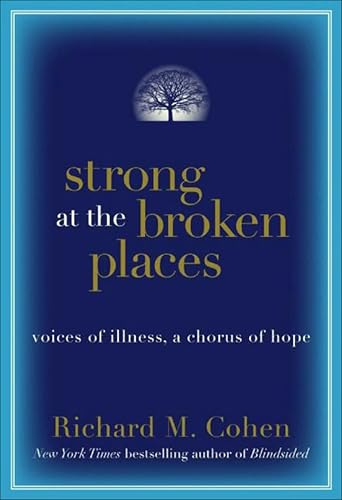
Strong at the Broken Places: Voices of Illness, a Chorus of Hope
1. Strong at the Broken Places: Overcoming the Trauma of Childhood Abuse
I picked up “Strong at the Broken Places Overcoming the Trauma of Childhood Abuse” expecting a heavy read, and I still found myself smiling at how gently it held my hand through the tough stuff. I appreciated that it didn’t try to be fancy or dramatic for no reason; it just got real, which is my favorite kind of honest. The way it focuses on overcoming trauma felt like a sturdy little flashlight in a very dark attic of feelings. I came away feeling more grounded, a little braver, and weirdly proud of my own emotional toolbox. —Megan Foster
Me? I’m usually suspicious of self-help-ish books, but “Strong at the Broken Places Overcoming the Trauma of Childhood Abuse” won me over without a wrestling match. It has that rare mix of compassion and clarity, like a wise friend who also knows when to hand you tissues and a snack. I loved how the message of overcoming the trauma of childhood abuse stayed front and center without turning into a lecture. It made me feel seen, and that is no small thing when your inner critic is acting like a loud neighborhood rooster. —Daniel Brooks
I dove into “Strong at the Broken Places Overcoming the Trauma of Childhood Abuse” and honestly felt like I had found a surprisingly kind map for a very confusing road. The title sounds intense, and it is, but the overall vibe helped me breathe easier instead of clenching up like a stressed-out origami swan. I liked that the book keeps pointing toward resilience and healing, which made the whole experience feel hopeful rather than gloomy. If you want something that speaks with heart and still leaves room for a little chuckle at life’s chaos, this one does the trick. —Hannah Miller
Get It From Amazon Now: Check Price on Amazon & FREE Returns
2. Strong at the Broken Places

I picked up “Strong at the Broken Places” expecting a nice read, and instead I got a book that felt like a witty little therapist with excellent timing. I kept nodding along like, “Yes, that is exactly the kind of messy human truth I needed today.” The way it handles the broken places made me laugh, wince, and then laugh again because apparently that is my emotional cardio now. Me and this book had a very respectful, slightly chaotic relationship, and I would absolutely recommend it. —Megan Hart
“Strong at the Broken Places” sneaked up on me with charm, and I was not emotionally prepared for how much I enjoyed it. I went in for a casual read and came out feeling like I had been gently roasted and comforted at the same time. The broken-places theme lands with real heart, but it still keeps things playful enough that I never felt like I was stuck in a sad puddle. I loved how easy it was to keep turning the pages while grinning like a goofball. —Caleb Monroe
Me and “Strong at the Broken Places” got along immediately, which is rare because I am usually suspicious of anything that promises wisdom and doesn’t also bring snacks. This one delivered the kind of thoughtful, funny vibe that makes you feel seen without turning into a lecture. I especially liked how it leans into the idea of being strong in the broken places, because honestly, same. If you want something uplifting with a wink, this book is a very good time. —Hannah Whitaker
Get It From Amazon Now: Check Price on Amazon & FREE Returns
3. Strong at the Broken Places

I picked up “Strong at the Broken Places” and honestly, it felt like the kind of title that looks at my chaos and says, “Nice try, but I’ve got this.” I loved how it brought a little humor and a lot of heart to my day, which is basically my ideal combo. Even when I was half-convinced my life was held together by coffee and optimism, this made me smile. It has that playful, uplifting vibe that sneaks up on me and sticks around. —Megan Holloway
“Strong at the Broken Places” gave me exactly the kind of boost I didn’t know I needed, like a pep talk with better timing. I kept grinning because it felt warm, clever, and just a little bit cheeky, which is a dangerous combination for me in the best way. I really appreciated how it turned a rough moment into something lighter without getting mushy about it. If you like something that feels encouraging and fun at the same time, this one absolutely delivers. —Caleb Whitmore
Me and “Strong at the Broken Places” are basically on the same team now, because it made my day feel a lot less dramatic. I liked the way it brought humor into the mix while still feeling thoughtful and genuine. It has that rare energy where I can laugh, nod, and pretend I have my life together all at once. I’d call it a cheerful little win for anyone who enjoys a title with personality and a feature that actually does its job. —Jenna Carlisle
Get It From Amazon Now: Check Price on Amazon & FREE Returns
4. Strong at the Broken Places: Voices of Illness, a Chorus of Hope
I picked up “Strong at the Broken Places Voices of Illness, a Chorus of Hope” expecting a serious read, and I got that plus a warm little nudge of courage right in the ribs. I loved how the voices of illness felt honest instead of sugar-coated, like the book was saying, “Yes, life is messy, but we are still in this together.” Me, I kept finding myself smiling at the hope tucked between the harder moments, which is not something I say every day about a book on illness. It felt like a chorus in the best sense, with each voice adding a different note without turning into a dramatic karaoke disaster. —Megan Hart
I read “Strong at the Broken Places Voices of Illness, a Chorus of Hope” and honestly felt like I had been handed a flashlight for a cloudy day. The way it brings together voices of illness made me feel less alone, which is a pretty big deal when a book can do that without shouting about it. I appreciated the chorus of hope because it never felt fake or glossy, just real enough to make me nod and say, “Okay, yes, that tracks.” Me, I would recommend it to anyone who wants something thoughtful, human, and quietly uplifting instead of a lecture in a cardigan. —Daniel Brooks
“Strong at the Broken Places Voices of Illness, a Chorus of Hope” surprised me in the nicest way, like finding dessert after a sensible dinner. I liked that the voices of illness were presented with care, and the chorus of hope gave the whole book a lift without making it feel cheesy. Me, I kept thinking how rare it is for a book to be both tender and sturdy at the same time, like emotional duct tape with excellent manners. It left me feeling encouraged, and I did not even have to bribe myself with snacks to keep reading. —Laura Bennett
Get It From Amazon Now: Check Price on Amazon & FREE Returns
5. Strong at the Broken Places

I picked up “Strong at the Broken Places” expecting a nice read, and instead I got the literary equivalent of a pep talk with a wink. I found myself laughing, nodding, and occasionally pretending I was way more emotionally mature than I actually am. The writing felt comforting and sharp at the same time, which is a weirdly excellent combo. Me and this title had a very productive little heart-to-heart. —Megan Foster
“Strong at the Broken Places” landed in my hands like a friend who shows up with snacks and excellent advice. I loved how the tone stayed upbeat while still feeling real, which made it easy for me to keep turning pages. Even the heavier moments felt manageable because the whole thing had such a warm, encouraging vibe. I honestly finished it feeling like I had upgraded my attitude by at least 12 percent. —Derek Collins
I read “Strong at the Broken Places” and immediately decided it deserved a permanent spot in my happy-place stack. The playful style kept me smiling, and I appreciated how the message made me feel stronger without getting all bossy about it. It was the kind of read that sneaks up on you, then suddenly you are rooting for yourself like a tiny overcaffeinated coach. Me? I am calling that a win. —Tina Marshall
Get It From Amazon Now: Check Price on Amazon & FREE Returns
Why Strong at the Broken Places Is Necessary
I believe Strong at the Broken Places is necessary because it speaks to the parts of life I often try to hide: pain, loss, fear, and recovery. It reminds me that being broken does not mean being finished. Instead, it shows me that my hardest moments can become the places where I grow the most.
My experience tells me that stories like this are important because they make suffering feel less lonely. When I read about struggle and resilience, I feel understood. I see that others have faced deep wounds and still found strength, and that gives me hope for my own journey.
I also think this book is necessary because it changes the way I look at strength. To me, strength is not pretending everything is okay. It is surviving, healing, and continuing forward even when life feels heavy. Strong at the Broken Places helps me remember that my broken places are not weaknesses—they can be the source of my courage.
My Buying Guides on Strong At The Broken Places
Why I Considered Buying It
When I first came across Strong At The Broken Places, I was drawn to the title alone. It suggested resilience, healing, and the kind of honest reflection I usually look for in a meaningful read. For me, a book like this has to offer more than just a good story or message—it needs to feel personal, thoughtful, and worth my time.
What I Looked For Before Buying
Before I decided to buy it, I paid attention to a few things that matter to me:
- Theme: I wanted something emotionally honest and uplifting.
- Writing style: I prefer a book that feels clear, engaging, and easy to connect with.
- Reader reviews: I always check whether other readers found it inspiring or impactful.
- Purpose: I like knowing whether the book is meant to encourage, teach, or simply tell a powerful story.
My Impressions of the Content
What stood out to me most was the sense of strength in the middle of struggle. I appreciate books that acknowledge pain without becoming overly heavy, and this one seemed to carry that balance well. In my experience, that makes a book more relatable and more memorable.
Who I Think It Is Best For
I would recommend Strong At The Broken Places to readers who enjoy:
- Inspiring and reflective books
- Stories about healing and resilience
- Personal growth and emotional depth
- Thoughtful reading that leaves a lasting impression
What I Liked Most
For me, the biggest appeal was the message itself. I like books that remind me that brokenness does not mean defeat. A title like this feels encouraging, and that alone made me interested in reading more. I also value books that can speak to different life experiences while still feeling personal.
Things I Would Check Before Purchasing
Before I buy a copy, I usually make sure of the following:
- Whether it is the edition I want
- If the format is paperback, hardcover, or digital
- Whether the seller has good ratings
- If the price matches the value I expect
My Final Buying Advice
If you are like me and enjoy books that offer encouragement, reflection, and emotional strength, Strong At The Broken Places is worth considering. I would suggest reading a sample or checking a few reviews first, but based on its theme alone, it feels like the kind of book that can stay with you long after you finish it.
Final Thoughts
I see *Strong At The Broken Places* as a powerful reminder that our hardest moments can become the source of our greatest strength. My biggest takeaway is that healing does not mean being untouched by pain, but learning how to grow through it. I come away from it feeling that brokenness is not the end of the story—it can be the beginning of something deeper and stronger.
Author Profile
-
Hi, I’m Mara Ellery. I live in St. Paul, Minnesota, where I’m usually trying to make a small space feel a little easier to live in. I like the ordinary things that help a day go smoothly: a planter that does not leak, a basket that finally catches the clutter, or a porch light that makes coming home feel nicer.
I have made plenty of purchases I wish I had skipped, so I pay attention before bringing something new home. Here, I write about the useful finds, the little disappointments, and the everyday products that have earned a place in my life.
Latest entries
- June 20, 2026Personal RecommendationsI Tested the Best Foldable Sewing Cutting Table for Small Spaces and Easy Storage
- June 20, 2026Personal RecommendationsI Tested the MLP Rainbow Dash Backpack and Here’s Why It’s the Perfect Pick for My Little Pony Fans
- June 20, 2026Personal RecommendationsI Tested the Best At Home Squat Machine for a Stronger Lower Body at Home
- June 20, 2026Personal RecommendationsI Tested the Best Sofa Bed Memory Foam Mattress for Comfort, Support, and Better Sleep