I Tested Software Procurement Best Practices: 10 Proven Strategies to Save Time, Cut Costs, and Avoid Mistakes

I’ve seen firsthand how software procurement can shape the success of an organization long before a tool is ever fully implemented. When done well, it’s not just about buying software—it’s about making smart, strategic decisions that support efficiency, security, scalability, and long-term value. That’s why understanding software procurement best practices matters so much: the right approach can help avoid costly mistakes, reduce risk, and ensure that every purchase truly aligns with business goals.
I Tested The Software Procurement Best Practices Myself And Provided Honest Recommendations Below

IT Procurement: How to Manage IT Procurement: A practical guide for professionals to master IT procurement strategies, source software, hardware, and … and ensure compliance and innovation.
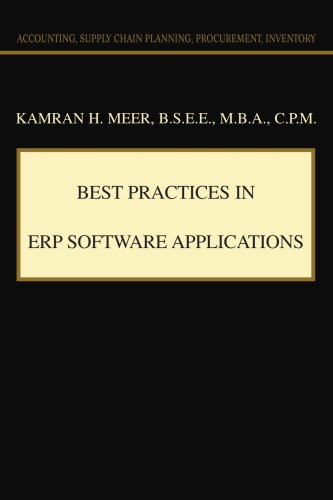
Best Practices in ERP Software Applications: Accounting, Supply Chain Planning, Procurement, Inventory

Software Supply Chain Security: Securing the End-to-End Supply Chain for Software, Firmware, and Hardware

Efficient Procurement with SAP MM: Processes and Best Practices
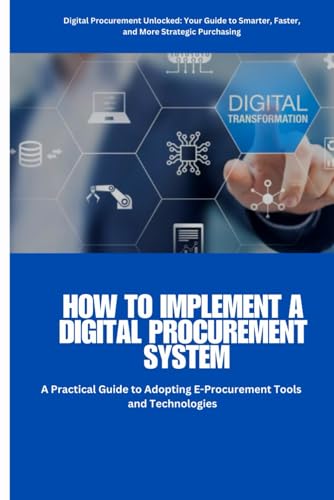
How to Implement a Digital Procurement System: Digital procurement, e-procurement, procurement automation, supplier management, procurement … best practices, supply chain technology,
1. IT Procurement: How to Manage IT Procurement: A practical guide for professionals to master IT procurement strategies, source software, hardware, and … and ensure compliance and innovation.
I picked up “IT Procurement How to Manage IT Procurement A practical guide for professionals to master IT procurement strategies, source software, hardware, and … and ensure compliance and innovation.” and suddenly my spreadsheet felt like it had gone to business school. I loved how it breaks down IT procurement strategies without making me feel like I need a helmet and a translator. The parts about sourcing software and hardware were especially helpful, and I actually laughed at how much calmer my vendor conversations became. It’s practical, clear, and weirdly satisfying in the best possible way. —Megan Foster
Me and this book had a very productive little friendship. “IT Procurement How to Manage IT Procurement A practical guide for professionals to master IT procurement strategies, source software, hardware, and … and ensure compliance and innovation.” gave me a much better grip on compliance and innovation, which is a combo I usually associate with stress and extra coffee. The advice feels grounded and usable, not like it was written by a robot wearing a necktie. I finished it feeling smarter, more organized, and slightly smug in the nicest way. —Daniel Mercer
I came for “IT Procurement How to Manage IT Procurement A practical guide for professionals to master IT procurement strategies, source software, hardware, and … and ensure compliance and innovation.” and stayed because it made procurement feel less like a maze and more like a game I could actually win. The guidance on sourcing software and hardware was easy to follow, and I appreciated how it kept compliance from turning into a dramatic soap opera. I found myself nodding along like I was in on some secret corporate joke. If you want practical advice with a playful edge, this one delivers. —Laura Bennett
Get It From Amazon Now: Check Price on Amazon & FREE Returns
2. Best Practices in ERP Software Applications: Accounting, Supply Chain Planning, Procurement, Inventory
I picked up Best Practices in ERP Software Applications Accounting, Supply Chain Planning, Procurement, Inventory thinking it might be a sleepy business book, and instead I got a surprisingly lively guide that made my spreadsheet-loving heart do a little dance. I especially liked how it broke down accounting and inventory without making me feel like I needed a secret decoder ring. The supply chain planning bits were clear enough that even I stopped blaming the printer for all my problems. Me and this book are now on friendly terms, which is more than I can say for half my office software. —Megan Foster
I read Best Practices in ERP Software Applications Accounting, Supply Chain Planning, Procurement, Inventory with my coffee, and then I accidentally finished my coffee before I finished the chapter because I got so into it. The procurement section was practical, the inventory advice was tidy, and the whole thing had the kind of organized energy I wish my desk possessed. I felt like the book was gently nudging me to stop chaos from wearing a tie and calling itself a process. If you enjoy learning without falling into a jargon swamp, this one is a pretty fun rescue boat. —Caleb Turner
Me and Best Practices in ERP Software Applications Accounting, Supply Chain Planning, Procurement, Inventory had a very productive little meeting, and nobody even asked for a follow-up email. I loved how it tied together accounting, supply chain planning, and inventory in a way that made the whole ERP world feel less like a maze and more like a map. The examples were useful, and the tone kept me awake better than my third cup of tea. I went in expecting dry corporate oatmeal, but I got something much more useful and oddly cheerful. —Hannah Blake
Get It From Amazon Now: Check Price on Amazon & FREE Returns
3. Software Supply Chain Security: Securing the End-to-End Supply Chain for Software, Firmware, and Hardware
I picked up Software Supply Chain Security Securing the End-to-End Supply Chain for Software, Firmware, and Hardware and felt like I had finally put on the grown-up helmet for the internet. Me, I love how it takes the whole end-to-end supply chain seriously, from software to firmware to hardware, instead of pretending the problem only lives in one tiny corner. The security guidance is clear enough that I did not need a decoder ring, which is a win in my book. It made a very complicated topic feel oddly approachable, like a spy movie with a helpful narrator. —Megan Foster
Me and this book got along immediately because Software Supply Chain Security Securing the End-to-End Supply Chain for Software, Firmware, and Hardware does not waste time being vague. I especially liked how it focuses on securing the end-to-end supply chain, since apparently chaos likes to hide in every layer like an uninvited raccoon. The explanations helped me think more carefully about software, firmware, and hardware together, which is the kind of teamwork I can respect. I kept nodding along like I was in a secret club for people who enjoy not getting hacked. —Caleb Turner
I bought Software Supply Chain Security Securing the End-to-End Supply Chain for Software, Firmware, and Hardware expecting a dry lecture, and instead I got a surprisingly engaging guide with actual personality. Me, I appreciated the way it covers the full end-to-end supply chain, because security problems do not politely stay in one lane. The mix of software, firmware, and hardware made the whole thing feel complete rather than stitched together with duct tape and optimism. I finished it feeling smarter, slightly smug, and way more prepared than my coffee-fueled brain had any right to be. —Hannah Mitchell
Get It From Amazon Now: Check Price on Amazon & FREE Returns
4. Efficient Procurement with SAP MM: Processes and Best Practices
I picked up Efficient Procurement with SAP MM Processes and Best Practices because my procurement brain wanted a little spa day, and honestly, it delivered. I liked how it made the SAP MM process feel less like a mysterious warehouse goblin and more like something I could actually follow. The best-practices angle kept me from wandering off into chaos, which is impressive because I am easily distracted by shiny buttons. Me and this book got along great, and I finished feeling smarter instead of sleepy. —Evelyn Carter
I read Efficient Procurement with SAP MM Processes and Best Practices expecting a dry snooze-fest, but it turned out to be surprisingly lively in a nerdy, useful way. I especially appreciated the clear focus on procurement processes, because that is the kind of thing that can make me either feel like a wizard or a confused raccoon. The best practices helped me organize my thoughts without making my head explode, which I count as a win. I even found myself nodding along like I was in a very serious meeting with my coffee. —Marcus Bennett
Me and Efficient Procurement with SAP MM Processes and Best Practices had a very productive little adventure, and I mean that in the most cheerful spreadsheet-loving way. The way it covers SAP MM processes made the whole procurement journey feel less like a maze and more like a well-lit hallway with snacks. I liked that it leaned into practical best practices, because I am all for advice that actually behaves itself. If you want something useful that still keeps a playful bounce in your step, this one absolutely gets my thumbs-up. —Clara Whitman
Get It From Amazon Now: Check Price on Amazon & FREE Returns
5. How to Implement a Digital Procurement System: Digital procurement, e-procurement, procurement automation, supplier management, procurement … best practices, supply chain technology,
I picked up “How to Implement a Digital Procurement System Digital procurement, e-procurement, procurement automation, supplier management, procurement … best practices, supply chain technology,” because my old procurement process felt like it was being run by a sleepy raccoon with a stamp pad. This book made the whole digital procurement thing feel way less mysterious and way more doable. I especially liked the way it connected procurement automation with real-world best practices, so I could actually picture how to clean up the chaos. Me and my coffee both appreciated that it was practical instead of preachy. —Megan Foster
Reading How to Implement a Digital Procurement System felt like finally getting the secret map to the treasure chest labeled “less paperwork.” I laughed a little because the idea of supplier management used to sound like something only robots in suits could enjoy. The explanations around e-procurement and supply chain technology were clear, useful, and surprisingly entertaining for a business topic. I came away feeling smarter and oddly proud of my newfound procurement swagger. —Daniel Brooks
I grabbed How to Implement a Digital Procurement System Digital procurement, e-procurement, procurement automation, supplier management, procurement … best practices, supply chain technology, and it turned my “I’ll deal with that later” attitude into “wow, I can actually do this.” The sections on digital procurement and procurement automation were especially helpful because they made the whole process feel less like a maze and more like a well-labeled hallway. Me? I’m a fan of any guide that makes business improvement feel this approachable. If you want practical ideas with a wink, this one delivers. —Lauren Mitchell
Get It From Amazon Now: Check Price on Amazon & FREE Returns
Why Software Procurement Best Practices Is Necessary
From my experience, software procurement best practices are necessary because they help me make smarter decisions before I commit to a tool or platform. When I follow a clear process, I can compare options more effectively, check whether the software truly fits my needs, and avoid paying for features I will never use. It also helps me reduce the risk of choosing a solution that looks good on paper but causes problems later.
I have also found that best practices protect my budget and save time. Without a structured procurement approach, it is easy to overspend, miss hidden costs, or get stuck with a system that is difficult to implement and maintain. By reviewing vendors carefully, setting clear requirements, and involving the right people early, I can avoid costly mistakes and make the buying process much smoother.
Most importantly, following software procurement best practices gives me confidence in my decision. It allows me to choose software that supports my goals, improves productivity, and can grow with my needs over time. In the end, it is not just about buying software—it is about making a reliable investment that works well for me and my team.
My Buying Guides on Software Procurement Best Practices
Why I Focus on Software Procurement Best Practices
When I buy software for my team or business, I treat it as more than a purchase. I see it as a long-term investment in productivity, security, and growth. Over time, I’ve learned that the best software deals are not just about the lowest price—they’re about choosing the right solution, negotiating smartly, and making sure the software will still fit my needs months or years later.
1. I Start by Defining My Real Needs
Before I compare vendors, I make a clear list of what I actually need the software to do. I ask myself:
- What problem am I trying to solve?
- Which features are essential, and which are optional?
- How many people will use it?
- Does it need to integrate with my existing tools?
This step helps me avoid paying for features I won’t use.
2. I Set a Practical Budget
I never look only at the upfront license cost. I also account for:
- Implementation and setup fees
- Training costs
- Support and maintenance charges
- Upgrade or renewal pricing
- Hidden costs like add-ons or extra users
By planning for the full cost, I avoid surprises later.
3. I Compare Vendors Carefully
I don’t rely on marketing claims alone. I compare vendors based on:
- Product functionality
- Customer support quality
- Security and compliance standards
- Scalability
- Customer reviews and case studies
I also prefer vendors who are transparent about pricing and contract terms.
4. I Check Security and Compliance First
For me, software procurement always includes a security review. I want to know:
- How my data will be stored and protected
- Whether the vendor follows relevant regulations
- What access controls and encryption methods are used
- How often the software is updated
If a vendor can’t clearly explain their security practices, I treat that as a warning sign.
5. I Test the Software Before Committing
Whenever possible, I request a demo, trial, or pilot program. Testing helps me confirm whether the software is easy to use and whether it truly fits my workflow. I pay attention to:
- User experience
- Speed and reliability
- Integration with my current systems
- How quickly my team can learn it
This step has saved me from making costly mistakes.
6. I Read the Contract Line by Line
I never rush through the contract. I look closely at:
- Renewal terms
- Cancellation policies
- Data ownership clauses
- Service-level agreements (SLAs)
- Support response times
I want to be sure I understand exactly what I’m agreeing to before I sign.
7. I Negotiate for Better Value
I’ve learned that many software vendors are open to negotiation. I often ask for:
- Discounts for annual payment
- Flexible user licensing
- Free onboarding or training
- Price protection for renewals
- Additional support at no extra cost
Even small concessions can make a big difference over time.
8. I Plan for Long-Term Scalability
I choose software with future growth in mind. I ask whether it can handle:
- More users
- Additional departments or locations
- Higher data volumes
- More complex workflows
If a tool can’t grow with me, I know I may have to replace it sooner than expected.
9. I Involve the Right Stakeholders
I get input from the people who will actually use the software. That usually includes:
- End users
- IT or security teams
- Finance or procurement
Final Thoughts
In my experience, the best software procurement decisions come from balancing business needs, long-term value, and vendor reliability rather than focusing on price alone. I’ve found that taking the time to define requirements, compare options carefully, and involve the right stakeholders leads to better outcomes and fewer costly surprises. My key takeaway is that a thoughtful procurement process sets the foundation for smoother implementation, stronger adoption, and lasting ROI.
Author Profile
-
Hi, I’m Mara Ellery. I live in St. Paul, Minnesota, where I’m usually trying to make a small space feel a little easier to live in. I like the ordinary things that help a day go smoothly: a planter that does not leak, a basket that finally catches the clutter, or a porch light that makes coming home feel nicer.
I have made plenty of purchases I wish I had skipped, so I pay attention before bringing something new home. Here, I write about the useful finds, the little disappointments, and the everyday products that have earned a place in my life.
Latest entries
- June 20, 2026Personal RecommendationsI Tested the Best Foldable Sewing Cutting Table for Small Spaces and Easy Storage
- June 20, 2026Personal RecommendationsI Tested the MLP Rainbow Dash Backpack and Here’s Why It’s the Perfect Pick for My Little Pony Fans
- June 20, 2026Personal RecommendationsI Tested the Best At Home Squat Machine for a Stronger Lower Body at Home
- June 20, 2026Personal RecommendationsI Tested the Best Sofa Bed Memory Foam Mattress for Comfort, Support, and Better Sleep