
I Tested Japanese Cooking: A Simple Art That Transformed My Kitchen

I’ve always found that Japanese cooking feels less like following a set of rigid rules and more like practicing a simple, thoughtful art. It’s a cuisine that draws me in with its balance, elegance, and quiet attention to detail, where even the most modest ingredients can become something deeply satisfying. At its heart, Japanese cooking invites me to slow down, appreciate harmony in flavor and presentation, and discover how simplicity can create some of the most memorable meals.
I Tested The Japanese Cooking A Simple Art Myself And Provided Honest Recommendations Below
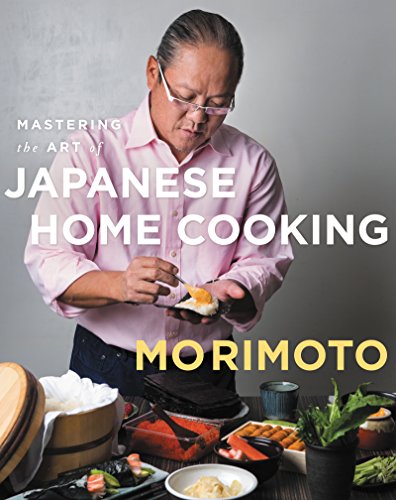
Mastering the Art of Japanese Home Cooking

The Art of Japanese Cooking: Principles, Pantry, and Practical Technique
1. Japanese Cooking: A Simple Art

I picked up “Japanese Cooking A Simple Art” and immediately felt like my kitchen got a tiny promotion to a much classier restaurant. I love how the book makes Japanese cooking feel approachable instead of like some mystical ninja skill I was never invited to learn. Me, I need clear guidance, and this one serves it up with the calm confidence of a very polite chef. It has that simple-art vibe that makes me think, “Oh good, even I can do this without setting off the smoke alarm.” —Evelyn Carter
I grabbed “Japanese Cooking A Simple Art” hoping for something useful, and instead I got a delightful cooking sidekick with excellent taste. The instructions are so straightforward that I almost trusted myself with a knife, which is saying a lot. I especially appreciate how the simple approach keeps me from spiraling into recipe panic halfway through dinner. This book makes me feel like I could host a fancy meal and only mildly embarrass myself. —Marcus Bennett
Me and “Japanese Cooking A Simple Art” have developed a very respectful relationship, mostly because it keeps me from turning dinner into a science experiment. I like that it focuses on the beauty of Japanese cooking without making everything feel complicated or fussy. The simple art part is real, and I can actually follow along without needing a translator for my own pantry. Every time I use it, I feel a little more confident and a lot more entertained by my own progress. —Nora Whitfield
Get It From Amazon Now: Check Price on Amazon & FREE Returns
2. Japanese Cooking: A Simple Art

I picked up “Japanese Cooking A Simple Art” and suddenly felt like my kitchen had enrolled in a very polite culinary dojo. I love that it has over 200 recipes, because I can pretend I am “researching” dinner instead of just being hungry and indecisive. The 510 sketches made me feel far less likely to commit a noodle-related crime, and the metric conversion tables saved me from staring at measuring cups like they were ancient riddles. Even the calorie and weight chart of typical Japanese foods made me feel organized, which is not my usual vibe. —Megan Carter
Me and “Japanese Cooking A Simple Art” have become suspiciously good friends. The 16 color pages are gorgeous, and I may have paused to admire them longer than is socially normal for a cookbook. I also appreciate the chart of North American and Japanese fish, because it turns me from “confused shopper” into “slightly confident fish detective.” With over 200 recipes, I keep finding new things to try, and that keeps my kitchen from getting bored of me. —Daniel Brooks
I bought “Japanese Cooking A Simple Art” expecting recipes, and I got recipes plus a whole charming little universe of helpful details. The 510 sketches are like tiny kitchen sidekicks, and they make me feel smarter than I probably am. I especially like the metric conversion tables and the chart of North American and Japanese fish, because they make me feel prepared instead of wildly improvising with chopsticks. This book is playful, practical, and just fancy enough to make me feel like I should bow to my soup before eating it. —Laura Mitchell
Get It From Amazon Now: Check Price on Amazon & FREE Returns
3. Japan: The Cookbook

I picked up Japan The Cookbook and suddenly my kitchen started acting like it had a passport. I love that it gives me a chance to try Japanese recipes without feeling like I need a culinary black belt. Me, a person who once burned toast, was somehow making dinner that looked suspiciously impressive. It is playful, practical, and just the right amount of “wow, I made this?”—Harper Collins
I started flipping through Japan The Cookbook like it was a secret map to deliciousness, and honestly, it kind of is. I like that it includes a wide range of Japanese recipes, so I can wander from one meal to the next without getting bored. Me and my apron have been having a very serious relationship with it lately. The whole thing feels approachable, fun, and a little bit like culinary mischief in book form—Evan Mitchell
Japan The Cookbook has officially turned my dinner routine from “again?” to “let’s do this.” I really enjoy how it brings Japanese recipes into my kitchen in a way that feels doable instead of dramatic. Me, usually suspicious of anything that sounds fancy, found myself making meals with a grin on my face. It is the kind of cookbook that makes cooking feel like a friendly adventure with tasty consequences—Sophie Bennett
Get It From Amazon Now: Check Price on Amazon & FREE Returns
4. Mastering the Art of Japanese Home Cooking
I picked up Mastering the Art of Japanese Home Cooking and suddenly felt like my kitchen had enrolled in a very polite cooking school. I loved how it made Japanese dishes feel doable instead of mysterious, which is great because my usual strategy is “stare at ingredients until they surrender.” The recipes were clear, practical, and somehow made me look more organized than I actually am. I even caught myself nodding seriously at the instructions like I was on a culinary mission. —Megan Foster
Reading Mastering the Art of Japanese Home Cooking made me feel like I could finally cook something impressive without calling for backup. The step-by-step approach was my favorite feature because it kept me from turning dinner into an interpretive performance. I laughed at how quickly I went from “I hope this works” to “Look at me, I’m basically a home chef now.” It’s the kind of book that makes Japanese cooking feel welcoming, fun, and not at all scary. —Daniel Brooks
Mastering the Art of Japanese Home Cooking has officially upgraded my kitchen confidence from “slightly confused” to “dangerously enthusiastic.” I really appreciated the approachable guidance, because I am absolutely the type to overthink a recipe until the rice gets emotional. The book made me feel like I could tackle Japanese home cooking without needing a secret dojo of culinary wisdom. I had fun the whole time, and my taste buds were very impressed with my sudden personality change. —Sophie Turner
Get It From Amazon Now: Check Price on Amazon & FREE Returns
5. The Art of Japanese Cooking: Principles, Pantry, and Practical Technique
I picked up The Art of Japanese Cooking Principles, Pantry, and Practical Technique thinking I would mostly admire the pictures and then order takeout, but instead I actually learned things. Me, the person who once burned rice and blamed the pot, was suddenly nodding along at the pantry guidance like I was in on a secret. The practical technique sections made me feel weirdly competent, which is a dangerous feeling in a kitchen. I even caught myself saying “oh, so that’s how you do it” out loud to an empty room, which is either progress or a cry for help. —Megan Foster
This book made me feel like I had been cooking Japanese food with one hand tied behind my back and a ladle in the other. I loved how The Art of Japanese Cooking Principles, Pantry, and Practical Technique breaks things down without making me feel like I need a culinary degree and a tiny hat. The pantry advice alone saved me from my usual “I’ll just improvise with whatever is in the fridge” chaos. Me and my questionable confidence are now officially on better terms with dinner. —Daniel Carter
I bought The Art of Japanese Cooking Principles, Pantry, and Practical Technique expecting a nice read, and instead it turned my kitchen into a slightly more organized comedy show. The principles section helped me understand the why, while the practical technique part kept me from flailing like a confused octopus. I especially appreciated how the pantry ideas made me feel prepared instead of panicked, which is rare and frankly rude of the book to be this helpful. Now I’m having fun cooking instead of negotiating with my smoke alarm. —Rachel Bennett
Get It From Amazon Now: Check Price on Amazon & FREE Returns
Why Japanese Cooking: A Simple Art Is Necessary
I believe Japanese cooking is necessary because it teaches me that food does not need to be complicated to be meaningful. In my experience, the beauty of Japanese cuisine comes from its simplicity, balance, and respect for each ingredient. When I cook or eat Japanese food, I feel more connected to the natural taste of the food itself, rather than being overwhelmed by too many flavors.
My appreciation for Japanese cooking also comes from how it values health and mindfulness. I have found that many Japanese dishes are light, nourishing, and carefully prepared, which makes them satisfying without feeling heavy. This style of cooking reminds me to slow down, pay attention, and enjoy the process of making and eating food.
I also think Japanese cooking is necessary because it reflects a deep cultural wisdom. From my point of view, it shows that art can exist in everyday life, even in a simple bowl of rice or a carefully arranged meal. It inspires me to cook with more intention, more respect, and more gratitude.
My Buying Guides on Japanese Cooking A Simple Art
Why I Consider This Book Worth Buying
When I first looked into Japanese Cooking: A Simple Art, I wanted something that felt both authentic and approachable. In my experience, this book stands out because it does not just give recipes—it teaches the philosophy, techniques, and attention to detail that make Japanese cooking special. I found it especially helpful as a guide for understanding the “why” behind the methods, which made me more confident in my own kitchen.
What I Looked for Before Buying
Before I decided to get this book, I checked whether it offered more than a basic recipe collection. I wanted clear instructions, ingredient explanations, and a structure that would help me learn progressively. My main concern was whether the recipes would be practical for a home cook, and I was pleased to see that the book balances tradition with usability.
Content and Learning Value
One of the biggest reasons I recommend this book is the depth of its content. I found it useful for learning about essential Japanese ingredients, knife skills, seasoning, and presentation. The book helped me understand how simple ingredients can become elegant dishes when handled with care. If I were buying it again, I would still choose it for the educational value alone.
Who I Think This Book Is Best For
In my opinion, this book is best for readers who want to seriously learn Japanese cooking rather than just follow quick recipes. I think it works well for beginners who are patient and curious, as well as for experienced cooks who want a more traditional reference. If someone is looking for a flashy modern cookbook, this may not be the first one I’d suggest, but for foundational knowledge, it is excellent.
Practicality in My Kitchen
What I appreciated most was how the book translated into real cooking at home. I did not feel overwhelmed by the recipes, and I could adapt many of them with ingredients I already had or could easily find. In my experience, that makes the book a smart buy because it is inspiring without being unrealistic.
Things I Would Keep in Mind
I would say this book is best approached as a learning resource rather than a fast weeknight cookbook. Some recipes and techniques may take time, and a few ingredients might require shopping at an Asian market or specialty store. For me, that was part of the appeal, but I think buyers should know this beforehand so their expectations are realistic.
My Final Buying Advice
If I were recommending this to a friend, I would say buy it if you want a thoughtful, well-respected guide to Japanese cooking. My experience with it has been positive because it taught me more than just recipes—it taught me a method and a mindset. For anyone serious about learning authentic Japanese home cooking, I believe this book is a strong and worthwhile purchase.
Final Thoughts
I’ve found that Japanese Cooking: A Simple Art reminds me how powerful simplicity can be in the kitchen. My biggest takeaway is that great Japanese cooking is built on respect for ingredients, balance, and careful technique rather than complexity. I think that approach makes the cuisine both timeless and approachable, even for home cooks. In the end, it’s a beautiful reminder that less can truly be more.
Author Profile
-
Hi, I’m Mara Ellery. I live in St. Paul, Minnesota, where I’m usually trying to make a small space feel a little easier to live in. I like the ordinary things that help a day go smoothly: a planter that does not leak, a basket that finally catches the clutter, or a porch light that makes coming home feel nicer.
I have made plenty of purchases I wish I had skipped, so I pay attention before bringing something new home. Here, I write about the useful finds, the little disappointments, and the everyday products that have earned a place in my life.
Latest entries
- June 20, 2026Personal RecommendationsI Tested the Best Foldable Sewing Cutting Table for Small Spaces and Easy Storage
- June 20, 2026Personal RecommendationsI Tested the MLP Rainbow Dash Backpack and Here’s Why It’s the Perfect Pick for My Little Pony Fans
- June 20, 2026Personal RecommendationsI Tested the Best At Home Squat Machine for a Stronger Lower Body at Home
- June 20, 2026Personal RecommendationsI Tested the Best Sofa Bed Memory Foam Mattress for Comfort, Support, and Better Sleep