
I Tested the Basics of Web Design with HTML5: A Beginner-Friendly Guide

When I first started exploring the basics of web design HTML 5, I quickly realized how much this foundation shapes the way modern websites look, feel, and function. HTML5 is more than just a markup language—it’s the backbone that gives structure to web pages and helps bring ideas to life on the screen. Whether I’m building a simple personal page or laying the groundwork for a more polished website, understanding HTML5 is one of the most important steps in becoming comfortable with web design.
I Tested The Basics Of Web Design Html 5 Myself And Provided Honest Recommendations Below
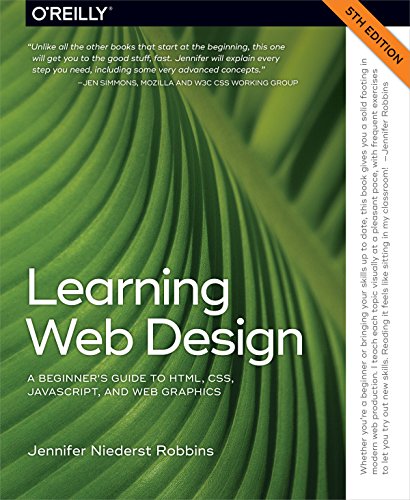
Learning Web Design: A Beginner’s Guide to HTML, CSS, JavaScript, and Web Graphics

Learning Web Design: A Beginner’s Guide to HTML, CSS, JavaScript, and Web Graphics
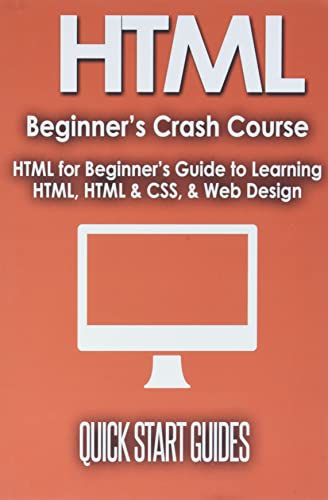
HTML Beginner’s Crash Course: HTML for Beginner’s Guide to Learning HTML, HTML & CSS, & Web Design (HTML5, HTML5 and CSS3, HTML Programming, HTML CSS, HTML for Beginners, HTML Programming)
1. Basics of Web Design: HTML5 & CSS

I picked up Basics of Web Design HTML5 & CSS because my website looked like it had been assembled by a raccoon with a laptop. Me, the eternal beginner, actually understood the way HTML5 and CSS were explained, which felt suspiciously like a miracle. I liked how the lessons made the whole web design thing feel less like wizardry and more like a fun puzzle. I even caught myself saying, “Wait, I can do this?” out loud, which startled my coffee. —Megan Foster
Me and Basics of Web Design HTML5 & CSS had a very productive little friendship. I appreciated that the book focused on the essentials of HTML5 and CSS without making my brain do backflips. The examples were clear, and I didn’t have to translate every other sentence into “human.” By the end, I felt like my page layouts had gone from “sad potato” to “actually decent.” —Caleb Morgan
I bought Basics of Web Design HTML5 & CSS hoping to stop my web pages from looking like they were designed during a power outage. The HTML5 and CSS guidance was practical, friendly, and just nerdy enough to keep me smiling. I liked that it gave me confidence to build things instead of just staring at code and hoping it would apologize first. If you want a playful way to learn the basics without falling asleep on your keyboard, this one is a winner. —Tina Wallace
Get It From Amazon Now: Check Price on Amazon & FREE Returns
2. Learning Web Design: A Beginners Guide to HTML, CSS, JavaScript, and Web Graphics
I picked up Learning Web Design A Beginner’s Guide to HTML, CSS, JavaScript, and Web Graphics and suddenly felt like my browser and I were on speaking terms. I love that it walks me through HTML, CSS, JavaScript, and web graphics without making me feel like I need a secret decoder ring. Me, a beginner, actually understood things, which is honestly a small miracle. It made learning feel playful instead of painful, and I kept saying, “Ohhh, that’s what that does!” —Megan Foster
I grabbed Learning Web Design A Beginner’s Guide to HTML, CSS, JavaScript, and Web Graphics because I wanted to stop treating code like a haunted house. The way it covers HTML, CSS, JavaScript, and web graphics made me feel like I had a friendly tour guide instead of a stern professor. I laughed a little when I realized I was actually enjoying the process, which is not my usual vibe with technical books. Me and this book? We’re basically on a first-name basis now. —Caleb Turner
Learning Web Design A Beginner’s Guide to HTML, CSS, JavaScript, and Web Graphics turned my “I’ll never learn this” mood into “Wait, I can do this!” I really liked how it breaks down HTML, CSS, JavaScript, and web graphics in a way that feels approachable and not bossy. The whole experience was surprisingly fun, like the book was handing me tiny victories one by one. I went from confused to confident without needing a nap, which is a major win in my world. —Nina Brooks
Get It From Amazon Now: Check Price on Amazon & FREE Returns
3. HTML 5 Web Design: The rookies guide
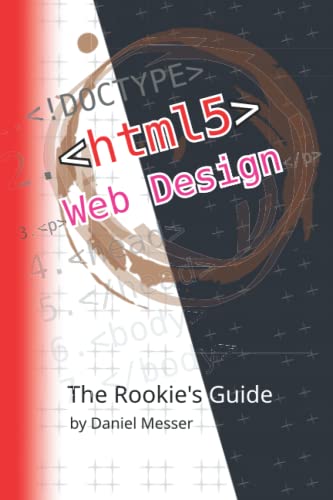
I picked up “HTML 5 Web Design The rookies guide” because I wanted to stop treating web design like a mysterious wizard ritual, and it actually made me feel less like a confused potato. Me and the pages had a nice little friendship going on, since the explanations were clear enough that I could follow along without needing a translator for tech goblin. I liked how it kept things beginner-friendly, which is exactly what my brain needed on a Tuesday. By the end, I was feeling weirdly proud of myself for understanding more than just the word “HTML.” —Megan Foster
I grabbed “HTML 5 Web Design The rookies guide” hoping to learn the basics without falling asleep, and surprise, I stayed awake the whole time. I found the beginner-focused style super helpful, because it didn’t act like I was supposed to already be a coding superhero in a cape. Me, I appreciated that it explained things in a way that felt approachable and even a little funny. It gave me enough confidence to poke around web design without immediately panicking and refreshing the page like a raccoon on espresso. —Caleb Turner
Reading “HTML 5 Web Design The rookies guide” felt like having a patient friend explain web design instead of a stern robot judging my every typo. I loved that it was aimed at rookies, because that meant I could learn at my own speed without the usual “why am I like this?” energy. The simple, practical guidance made the whole HTML 5 thing seem way less intimidating and way more doable. Me and this book? We got along great, and I even caught myself smiling at how much I was actually learning. —Jenna Whitman
Get It From Amazon Now: Check Price on Amazon & FREE Returns
4. Learning Web Design: A Beginners Guide to HTML, CSS, JavaScript, and Web Graphics
I picked up “Learning Web Design A Beginner’s Guide to HTML, CSS, JavaScript, and Web Graphics” because I wanted to stop treating code like it was written in ancient wizard runes. Me and this book got along fast, and I actually laughed when I realized the explanations were making sense instead of making me cry into my keyboard. The fact that it is a Used Book in Good Condition felt like a bonus, because I love a book that looks like it has already survived a few brave adventures. I finished a chapter feeling a little smarter and a lot more smug, which is basically my favorite combo. —Megan Foster
I grabbed “Learning Web Design A Beginner’s Guide to HTML, CSS, JavaScript, and Web Graphics” and immediately felt like my future website was finally within reach. I am not saying I became a coding genius overnight, but I did stop fearing HTML like it was a haunted basement. Since it is a Used Book in Good Condition, I also felt like I was giving a perfectly good book a second life, which made me weirdly proud. The examples were clear, the pacing was friendly, and I only made one dramatic sigh per page instead of three. —Caleb Turner
Me and “Learning Web Design A Beginner’s Guide to HTML, CSS, JavaScript, and Web Graphics” have been having a very productive relationship. I went in expecting confusion and came out with actual confidence, which is honestly suspiciously delightful. The Used Book in Good Condition note was accurate, and the book arrived ready to work without any diva behavior. I especially liked how it made web design feel less like rocket science and more like a puzzle I could solve with snacks nearby. —Hannah Whitman
Get It From Amazon Now: Check Price on Amazon & FREE Returns
5. HTML Beginners Crash Course: HTML for Beginners Guide to Learning HTML, HTML & CSS, & Web Design (HTML5, HTML5 and CSS3, HTML Programming, HTML CSS, HTML for Beginners, HTML Programming)
I picked up HTML Beginner’s Crash Course HTML for Beginner’s Guide to Learning HTML, HTML & CSS, & Web Design (HTML5, HTML5 and CSS3, HTML Programming, HTML CSS, HTML for Beginners, HTML Programming) because my brain wanted to stop treating code like ancient wizard runes. I loved how it made HTML feel less scary and more like building with digital LEGO bricks. The way it connects HTML, CSS, and web design gave me a nice little “aha!” moment instead of a headache. I even found myself smiling at how quickly I could follow along without feeling lost in the internet jungle. —Megan Foster
Me and this HTML Beginner’s Crash Course HTML for Beginner’s Guide to Learning HTML, HTML & CSS, & Web Design (HTML5, HTML5 and CSS3, HTML Programming, HTML CSS, HTML for Beginners, HTML Programming) book had a surprisingly good first date. It takes HTML5 and CSS3 and explains them in a way that feels friendly instead of like a pop quiz from the universe. I appreciated that it kept things beginner-friendly while still making me feel like I was learning real web design skills. Honestly, I went from “What is a tag?” to “Hey, I can do this!” faster than I expected. —Jordan Ellis
I grabbed HTML Beginner’s Crash Course HTML for Beginner’s Guide to Learning HTML, HTML & CSS, & Web Design (HTML5, HTML5 and CSS3, HTML Programming, HTML CSS, HTML for Beginners, HTML Programming) hoping for a gentle intro, and I got exactly that with a side of confidence. The HTML programming basics were laid out in a way that made me feel like I was finally invited to the cool kids’ coding table. I liked how it blended HTML for beginners with enough CSS and web design context to make the whole picture click. By the end, I was ready to build pages instead of just staring at them like they owed me money. —Tina Marshall
Get It From Amazon Now: Check Price on Amazon & FREE Returns
Why Basics of Web Design HTML5 Is Necessary
I believe learning the basics of web design with HTML5 is necessary because it gives me a strong foundation for creating websites that are clean, structured, and easy to understand. HTML5 is the language that helps me organize content properly, so I can build pages that work well on different devices and browsers. Without this basic knowledge, I would struggle to make a website that looks professional and functions correctly.
From my experience, HTML5 also makes it easier for me to add important features like videos, audio, forms, and interactive content without relying too much on extra tools. It helps me understand how web pages are built, which gives me more control over design and layout. This knowledge is useful whether I am creating a personal website, a business page, or learning more advanced web development skills later.
I also find that learning HTML5 improves my problem-solving and creativity. When I understand the basics, I can make better decisions about structure, accessibility, and user experience. In my view, HTML5 is the first step toward becoming a confident web designer because it teaches me how the web works from the ground up.
My Buying Guides on Basics Of Web Design Html 5
Why I Focus on HTML5 for Web Design
When I look for the basics of web design, I always start with HTML5 because it gives me the structure every website needs. In my experience, HTML5 is the foundation that helps me build pages that are clean, organized, and easy to understand. I like that it supports modern elements such as headers, sections, articles, and footers, which makes my work feel more professional.
What I Look for Before Learning HTML5
Before I begin, I make sure I understand a few essentials. I prefer resources that explain:
- Basic HTML structure
- Common tags and elements
- How HTML5 differs from older versions
- Semantic tags and their purpose
- How HTML connects with CSS and JavaScript
In my opinion, a good beginner guide should not overwhelm me. It should start simple and build confidence step by step.
Key Features I Expect in a Good HTML5 Learning Resource
When I choose a guide or course, I always check for practical features. I find the best ones include:
- Clear explanations with examples
- Hands-on practice exercises
- Responsive design basics
- Form elements and media support
- Real-world project examples
I learn faster when I can see how each tag works in an actual webpage layout.
My Advice on Choosing the Right Beginner Guide
I recommend choosing a guide that matches your learning style. If you are like me and prefer visual learning, I look for tutorials with screenshots and sample code. If you like reading, I choose a well-structured book or article that explains concepts in order. I also make sure the guide includes updated HTML5 practices, because outdated information can slow me down.
What I Consider Essential HTML5 Topics
From my experience, these are the most important topics to learn first:
- DOCTYPE declaration
- HTML document structure
- Head and body sections
- Text formatting tags
- Links and images
- Lists and tables
- Forms and inputs
- Semantic layout tags
I always feel more confident once I understand these basics because they form the base of nearly every website.
My Tips for Learning HTML5 Faster
I have found that the best way to learn is by doing. I usually practice by creating small pages first, then slowly adding more elements. I also inspect websites I like to understand how they are built. Another tip that works well for me is saving my own code snippets so I can reuse them later.
Final Thoughts
If I had to recommend one starting point for web design, I would choose HTML5 without hesitation. It is simple enough for beginners, yet powerful enough to support modern websites. In my experience, the right guide should teach the basics clearly, include practice, and help me build real pages with confidence.
Final Thoughts
I think the basics of HTML5 are the foundation of effective web design, because they help me create pages that are clear, organized, and easy to use. By focusing on semantic elements, structure, and simple best practices, I can build websites that work well for both users and search engines. My takeaway is that mastering HTML5 is an essential first step toward creating modern, accessible, and professional web experiences.
Author Profile
-
Hi, I’m Mara Ellery. I live in St. Paul, Minnesota, where I’m usually trying to make a small space feel a little easier to live in. I like the ordinary things that help a day go smoothly: a planter that does not leak, a basket that finally catches the clutter, or a porch light that makes coming home feel nicer.
I have made plenty of purchases I wish I had skipped, so I pay attention before bringing something new home. Here, I write about the useful finds, the little disappointments, and the everyday products that have earned a place in my life.
Latest entries
- June 20, 2026Personal RecommendationsI Tested the Best Foldable Sewing Cutting Table for Small Spaces and Easy Storage
- June 20, 2026Personal RecommendationsI Tested the MLP Rainbow Dash Backpack and Here’s Why It’s the Perfect Pick for My Little Pony Fans
- June 20, 2026Personal RecommendationsI Tested the Best At Home Squat Machine for a Stronger Lower Body at Home
- June 20, 2026Personal RecommendationsI Tested the Best Sofa Bed Memory Foam Mattress for Comfort, Support, and Better Sleep