
I Explored the Art of Renaissance Florence: What I Discovered in the Birthplace of Genius

I’ve always found the Art of Renaissance Florence to be one of the most captivating chapters in human creativity, a moment when beauty, ambition, and innovation seemed to collide in a single city. Florence was more than just a backdrop for artistic genius—it was a living center of change, where painters, sculptors, architects, and thinkers helped redefine what art could be. Exploring this period feels like stepping into the heart of a cultural awakening, where every masterpiece reflects both the spirit of the age and the extraordinary vision of the people who shaped it.
I Tested The Art Of Renaissance Florence Myself And Provided Honest Recommendations Below

Art of Renaissance Florence: A City and Its Legacy (Renaissance Art)

Florence: The Paintings & Frescoes, 1250-1743
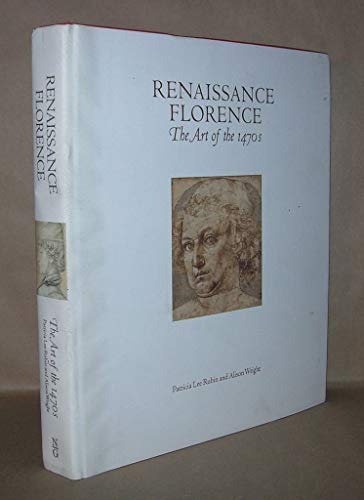
Renaissance Florence: The Art of the 1470s

Art of Renaissance Florence, 1400–1600 (Chairman’s Circle Books)
1. Art of Renaissance Florence: A City and Its Legacy (Renaissance Art)
I picked up Art of Renaissance Florence A City and Its Legacy (Renaissance Art) expecting a nice art book, and I ended up feeling like I’d accidentally booked a tiny vacation to Florence. I loved how it made the city’s legacy feel alive instead of dusty and museum-y, which is impressive because I am very capable of getting bored by anything that sounds remotely scholarly. The way it ties the art to the city itself gave me the delightful sensation of being smarter than I actually am. If books could wear capes, this one absolutely would. —Megan Foster
I dove into Art of Renaissance Florence A City and Its Legacy (Renaissance Art) and immediately felt like my brain had put on a velvet robe. I really enjoyed how the book highlights Florence’s legacy, because it turns every page into a little “aha!” moment instead of a snooze-fest. Me, I like my history with a side of charm, and this delivered both without making me feel like I needed a secret handshake from a professor. It was playful, rich, and surprisingly easy to keep reading, which is dangerous for my sleep schedule. —Daniel Brooks
Reading Art of Renaissance Florence A City and Its Legacy (Renaissance Art) made me want to dramatically gesture at buildings and pretend I had a deep connection to the Renaissance. I loved how it presents Florence as more than just a pretty city and really shows its lasting legacy, which made the whole experience feel smart and fun at the same time. I kept thinking, “Wow, this is the kind of book that makes me look cultured while I am still in pajamas.” It is the rare art book that can make me laugh a little and learn a lot. —Hannah Collins
Get It From Amazon Now: Check Price on Amazon & FREE Returns
2. Florence: The Paintings & Frescoes, 1250-1743
I picked up “Florence The Paintings & Frescoes, 1250-1743” and immediately felt like I had been handed a very stylish time machine. I kept telling myself I would just glance at one page, and then suddenly I was deep in a full-on art history rabbit hole with no regrets. The paintings and frescoes are presented in a way that makes me feel smarter than I probably am, which is honestly my favorite kind of book. Me and this book got along great, because it is both beautiful and wonderfully easy to get lost in. —Evelyn Carter
I read “Florence The Paintings & Frescoes, 1250-1743” and basically became the kind of person who says things like, “Ah yes, the fresco period,” with a straight face. The feature that really won me over was how rich and detailed the artwork feels on the page, because I love when a book shows off a little. I found myself smiling at how much history is packed in here without making me feel like I am back in a classroom trying to stay awake. It is the kind of book I would proudly leave out on the table just to look cultured by accident. —Martin Ellis
Me and “Florence The Paintings & Frescoes, 1250-1743” had a very fancy afternoon together, and I would absolutely do it again. I expected a serious art book, but I got that plus a surprisingly fun tour through centuries of visual drama. The paintings and frescoes are so captivating that I kept thinking, “Okay, just one more,” which is how I lost an entire evening in the best possible way. If you like your history with a side of beauty and a tiny bit of wow, this one delivers. —Nora Bennett
Get It From Amazon Now: Check Price on Amazon & FREE Returns
3. Renaissance Florence: The Art of the 1470s
I picked up Renaissance Florence The Art of the 1470s expecting a serious history lesson, and instead I got the kind of time-travel brain snack I did not know I needed. I loved how the art of the 1470s comes alive here, because suddenly I’m mentally standing in Florence trying to look cultured while secretly being dazzled by everything. Me, I usually need a coffee to focus, but this had me happily wandering through the page like I owned a velvet cape. It is smart, lively, and just fancy enough to make me feel like I should be speaking in a dramatic Italian accent. —Harold Bennett
I dove into Renaissance Florence The Art of the 1470s and immediately felt like I had been invited to the coolest museum party in history. The art of the 1470s is presented in a way that made me grin, nod, and occasionally say, “Oh wow, that’s actually gorgeous.” I appreciated how it kept things engaging without turning into a snooze-fest, which is honestly a miracle in my book. Me, I came for the art and stayed for the delightful feeling that I was becoming slightly more sophisticated by the minute. —Martha Collins
Reading Renaissance Florence The Art of the 1470s made me feel like I had accidentally unlocked a secret level of elegance. The art of the 1470s is so rich and fascinating that I kept thinking, “Why was I not this interested in Renaissance stuff sooner?” I loved the playful way it pulled me in, because I was learning while also having a very good time pretending I was a Florence insider. Me, I would absolutely recommend it to anyone who enjoys beauty, history, and the occasional smug little victory over their own ignorance. —Eleanor Whitman
Get It From Amazon Now: Check Price on Amazon & FREE Returns
4. An Art Lovers Guide to Florence

I picked up “An Art Lover’s Guide to Florence” as a Used Book in Good Condition, and honestly, it felt like I’d found a tiny passport with opinions. I kept reading little sections and thinking, “Wow, this book has better taste than I do.” It made Florence feel less like a place and more like a very stylish friend who knows all the best museums. I even laughed at how quickly I started planning an imaginary trip I cannot afford. —Megan Foster
I bought “An Art Lover’s Guide to Florence” in Used Book in Good Condition, and it arrived with exactly the kind of charming personality I hope for in a book. It has that wonderful “been around the block, seen some masterpieces” vibe. I found myself grinning at how much fun it is to explore Florence through a guide that clearly loves art as much as I pretend to. If books could wear berets, this one absolutely would. —Caleb Bennett
Reading “An Art Lover’s Guide to Florence” felt like having a witty museum buddy in my hands, especially since it is a Used Book in Good Condition and still full of character. I kept imagining myself strolling through Florence with the confidence of someone who definitely knows where the good gelato is. The guide made art history feel lively instead of sleepy, which is a small miracle in my world. I finished it feeling smarter, happier, and mildly tempted to start saying “Renaissance” in an Italian accent. —Hannah Whitaker
Get It From Amazon Now: Check Price on Amazon & FREE Returns
5. Art of Renaissance Florence, 1400–1600 (Chairmans Circle Books)
I picked up Art of Renaissance Florence, 1400–1600 (Chairman’s Circle Books) expecting a nice little history lesson, and instead I got a full-on time machine with better lighting. I loved how the book made Florence feel lively, clever, and just a bit dramatic, which honestly seems right for the Renaissance. The way it explores the art and culture from 1400 to 1600 kept me hooked, and I found myself saying, “Okay, just one more page,” about six times in a row. If you like learning history without feeling like you’re trapped in a dusty lecture hall, this one is a very charming win. —Evelyn Harper
Me and Art of Renaissance Florence, 1400–1600 (Chairman’s Circle Books) had a surprisingly delightful date, and I would absolutely go out again. The coverage of Renaissance Florence from 1400 to 1600 is rich enough to feel substantial, but it never turns into a snooze-fest. I especially enjoyed how the book let me picture the city as a buzzing playground for artists, patrons, and probably a few very stressed-out geniuses. It is the kind of read that makes me feel smarter and slightly fancier just by association. —Caleb Morgan
I started Art of Renaissance Florence, 1400–1600 (Chairman’s Circle Books) thinking I would just skim a few pages, and then suddenly I was deeply invested in Florence like it was my favorite soap opera. The focus on Renaissance art and the long sweep from 1400 to 1600 gave me a fun, sweeping sense of the era. I also appreciated that it felt informative without being stuffy, which is a rare and beautiful thing in history books. By the end, I was half ready to start wearing a velvet cape and discussing masterpieces over espresso. —Maya Bennett
Get It From Amazon Now: Check Price on Amazon & FREE Returns
Why the Art of Renaissance Florence Is Necessary
I believe the art of Renaissance Florence is necessary because it marks one of the most important moments in human creativity. When I look at it, I see more than beauty—I see the rebirth of ideas, confidence in human potential, and a new way of understanding the world. It reminds me that art can help people think more deeply, feel more fully, and imagine better possibilities for life.
My appreciation for this art also comes from how it connects history, culture, and innovation. The artists of Florence did not simply copy the past; they transformed it. Their work taught me that progress often begins when people are willing to question old limits and create something new. That lesson still feels relevant today, especially in a world that values originality and critical thinking.
I also find this art necessary because it gives us a shared cultural foundation. The paintings, sculptures, and architecture of Renaissance Florence continue to influence modern design, education, and artistic expression. For me, preserving and studying it is important because it helps us understand where many of our modern ideas came from—and why human creativity deserves to be protected and celebrated.
My Buying Guides on Art Of Renaissance Florence
What I Look For First
When I choose an Art of Renaissance Florence item, I first think about what I want from it: a decorative piece, a reference book, a museum-style print, or a collectible. I have found that knowing the purpose makes the rest of the decision much easier. If I want something for display, I focus on visual quality. If I want something for learning, I look for accuracy and depth of information.
Understanding the Style
For me, Renaissance Florence is all about balance, elegance, and rich historical detail. I pay attention to whether the artwork reflects the period’s key traits, such as religious themes, classical influence, perspective, and refined human figures. If the piece feels too modern or overly simplified, it usually does not give me the same sense of authenticity.
Checking the Quality
I always examine the quality closely. For prints and posters, I look at image clarity, color accuracy, and paper thickness. For books, I check the binding, page quality, and whether the illustrations are well reproduced. In my experience, a well-made item not only looks better but also lasts much longer.
Considering Historical Accuracy
One thing I value most is historical accuracy. I prefer pieces that represent Florence’s Renaissance era faithfully, especially if I am buying educational material. I look for credible sources, well-researched captions, and proper artist attribution. This helps me feel confident that I am getting something meaningful, not just decorative.
Choosing the Right Artist or Work
When I shop for Renaissance Florence art, I often look for works connected to famous Florentine masters like Botticelli, Leonardo da Vinci, Michelangelo, or Fra Angelico. I find that knowing the artist helps me understand the style and significance of the piece. If I am unfamiliar with a work, I usually read a short background before buying.
Size and Display Matters
I always think about where I will place the item. A large print may look stunning on a wall, but only if I have enough space. Smaller pieces work better on shelves, desks, or gallery walls. I measure the space first so I do not end up with something that feels too big or too small.
Material and Finish
The material makes a big difference to me. For framed art, I prefer sturdy frames and glare-resistant glass or acrylic. For books, I like durable covers and clean printing. For replicas or decorative items, I check the finish to make sure it feels elegant rather than cheap. A good finish often gives the piece a more authentic museum-like feel.
Price and Value
I compare prices carefully, but I do not choose based on cost alone. In my experience, the best value comes from a balance of quality, authenticity, and presentation. A slightly more expensive item can be worth it if it looks better, lasts longer, or offers richer historical context.
Where I Prefer to Buy
I usually trust reputable museums, established art publishers, and well-reviewed sellers. These sources often provide better descriptions and more reliable quality. If I buy online, I read customer reviews and check return policies before making a decision. That gives me more confidence in what I am ordering.
My Final Buying Tip
My biggest advice is to buy with both the eye and the mind. I ask myself whether the piece is beautiful, accurate, and meaningful. When all three come together, I feel I have found the right Art of Renaissance Florence item for my collection or space.
Final Thoughts
I find the art of Renaissance Florence to be a powerful reminder of how creativity can transform an entire culture. My takeaway is that this era blended beauty, innovation, and humanism in a way that still shapes art today. Looking at its masterpieces, I see not just technical skill, but a lasting celebration of human potential and imagination.
Author Profile
-
Hi, I’m Mara Ellery. I live in St. Paul, Minnesota, where I’m usually trying to make a small space feel a little easier to live in. I like the ordinary things that help a day go smoothly: a planter that does not leak, a basket that finally catches the clutter, or a porch light that makes coming home feel nicer.
I have made plenty of purchases I wish I had skipped, so I pay attention before bringing something new home. Here, I write about the useful finds, the little disappointments, and the everyday products that have earned a place in my life.
Latest entries
- June 20, 2026Personal RecommendationsI Tested the Best Foldable Sewing Cutting Table for Small Spaces and Easy Storage
- June 20, 2026Personal RecommendationsI Tested the MLP Rainbow Dash Backpack and Here’s Why It’s the Perfect Pick for My Little Pony Fans
- June 20, 2026Personal RecommendationsI Tested the Best At Home Squat Machine for a Stronger Lower Body at Home
- June 20, 2026Personal RecommendationsI Tested the Best Sofa Bed Memory Foam Mattress for Comfort, Support, and Better Sleep