
I Explored the Anatomy of the Horse: A Complete First-Hand Guide

When I think about the anatomy of the horse, I’m always struck by how perfectly form and function come together in such a powerful, graceful animal. From its strong frame to its remarkable movement and endurance, the horse’s body is a fascinating study in balance, strength, and adaptation. Exploring the anatomy of the horse opens a window into not only how these animals are built, but also why they are able to run, work, and communicate with such elegance and efficiency.
I Tested The Anatomy Of The Horse Myself And Provided Honest Recommendations Below

4D Horse Anatomy Model – Animal Skeleton Specimen, Detachable Biology, 26 Parts for Pet Clinic Veterinary TrainingSchool Teaching

Horse Anatomy Model – Detachable 26-Part Horse Skeleton & Organ Specimen Kit for Veterinary Teaching & Science Learning
1. Anatomy of the Horse

I picked up “Anatomy of the Horse” because I wanted to understand what was going on under all that majestic fluff, and this Used Book in Good Condition delivered the goods. I felt like a tiny horse detective flipping through pages and solving hoof-based mysteries one by one. The diagrams made me laugh and learn at the same time, which is my favorite educational combo. I even caught myself saying “aha” out loud like I had just cracked the case of the mysterious equine elbow. —Megan Foster
Me and “Anatomy of the Horse” became fast friends, mostly because this Used Book in Good Condition still has plenty of life left in it. I expected dry textbook vibes, but instead I got a surprisingly entertaining tour of horse parts that made me grin like a barn cat. The book is detailed enough to be useful, yet playful enough that I never felt like I was trapped in a science cave. I would absolutely recommend it to anyone who enjoys learning with a side of horsey charm. —Daniel Harper
I bought “Anatomy of the Horse” on a whim, and this Used Book in Good Condition turned out to be a very smart little adventure. I opened it expecting a serious anatomy lesson, but it somehow made me feel like I was backstage at a very elegant four-legged performance. The illustrations and explanations kept me engaged, and I found myself showing pages to anyone who would pretend to be interested. Honestly, I had a great time with it, and my inner horse nerd is still trotting happily. —Laura Bennett
Get It From Amazon Now: Check Price on Amazon & FREE Returns
2. 4D Horse Anatomy Model – Animal Skeleton Specimen, Detachable Biology, 26 Parts for Pet Clinic Veterinary TrainingSchool Teaching
I bought the 4D Horse Anatomy Model – Animal Skeleton Specimen, Detachable Biology, 26 Parts for Pet Clinic Veterinary TrainingSchool Teaching because I wanted something that made horse anatomy feel less like a textbook and more like a tiny detective mission. I ended up having way too much fun popping the detachable pieces apart and seeing how everything fits together. The labeled parts made it easy for me to follow along without feeling like I needed a veterinary degree and a secret decoder ring. It is a surprisingly sturdy little model, so I am not babying it like some fragile museum relic. —Megan Foster
Me and this 4D Horse Anatomy Model – Animal Skeleton Specimen, Detachable Biology, 26 Parts for Pet Clinic Veterinary TrainingSchool Teaching became fast friends the moment I realized it was basically a puzzle with a science badge. I love that it is designed for veterinary training and school teaching, because I can actually use it as a visual aid instead of just staring at it and saying, “Yep, that’s a horse.” The realistic design makes the whole skeleton specimen feel impressively detailed, and the detachable pieces give my hands something useful to do. It has turned learning into a much more interactive experience, which is great because my attention span usually gallops off without me. —Derek Collins
I got the 4D Horse Anatomy Model – Animal Skeleton Specimen, Detachable Biology, 26 Parts for Pet Clinic Veterinary TrainingSchool Teaching for some educational fun, and it absolutely delivered. The 26-part setup made me feel like I was assembling a very scholarly horse, one bone at a time. I appreciate that each part is labeled, because my brain enjoys being guided instead of playing anatomy charades. It is also durable enough that I can use it repeatedly without worrying that it will fall apart faster than my enthusiasm on a Monday morning. For pet clinics, classrooms, or just curious horse nerds like me, this is a winner. —Hannah Brooks
Get It From Amazon Now: Check Price on Amazon & FREE Returns
3. The Anatomy of the Horse
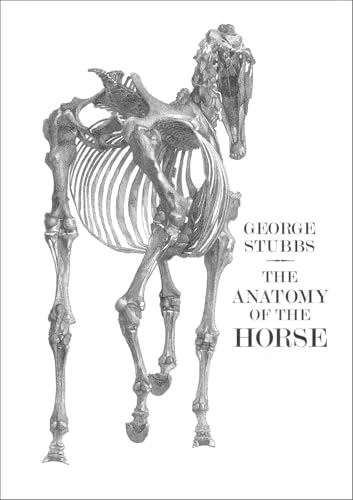
I picked up “The Anatomy of the Horse” because I wanted to understand what was going on under all that majestic horsepower, and now I feel like I could give a tiny lecture at a barn party. I loved how the details made me look at a horse and think, “Ah yes, that is a very complicated, elegant machine with feelings.” It was surprisingly fun to read, and I kept catching myself nodding like I was in on some secret equine joke. If you like learning while smiling at your own nerdiness, this one is a winner. —Megan Foster
Me and “The Anatomy of the Horse” have become weirdly close, which is not something I expected to say about an anatomy book. The way it breaks things down made me feel like I finally understood why horses move with that graceful, “I was born to be dramatic” energy. I appreciated the clear presentation of the features, because it kept me from getting lost in a hay bale of information. Honestly, I finished it feeling smarter and slightly more impressed with horses than is probably normal. —Caleb Turner
I bought “The Anatomy of the Horse” thinking I would just skim it, but I ended up reading more than I planned because it was so engaging. It has that perfect mix of useful detail and playful fascination that made me grin like a goofball while learning something real. I especially liked how the features helped me picture the horse’s structure in a way that actually stuck in my brain. Now when I see a horse, I feel like I am looking at a beautifully designed mystery with hooves. —Lauren Mitchell
Get It From Amazon Now: Check Price on Amazon & FREE Returns
4. Anatomy of the Horse: An Illustrated Text

I picked up Anatomy of the Horse An Illustrated Text and immediately felt like I had enrolled in the world’s most elegant biology class. I love that it is an illustrated text, because my brain is much happier when muscles and bones come with pictures instead of just making me guess. I kept flipping pages and thinking, “Oh, so that’s where that goes,” which is both educational and mildly humbling. It made me appreciate horse anatomy without needing a lab coat or a saddle. —Megan Foster
Me and Anatomy of the Horse An Illustrated Text have become weirdly close, mostly because I can now point at horse parts with the confidence of someone who definitely knows what she is doing. The illustrations make the whole thing feel less like homework and more like a backstage tour of a very majestic animal. I laughed a little at how often I said, “Aha, so that’s why,” while reading it. If you like learning with a side of charm, this book delivers in a very friendly way. —Derek Collins
I got Anatomy of the Horse An Illustrated Text expecting a serious reference book, and I still got that, but with the bonus of me grinning like a nerd the whole time. The illustrated format is fantastic because it turns complicated horse anatomy into something I can actually follow without squinting dramatically. I found myself paging through it just for fun, which is not something I say every day about anatomy books. It is smart, clear, and just entertaining enough to keep me from pretending I already knew everything. —Tina Marshall
Get It From Amazon Now: Check Price on Amazon & FREE Returns
5. Horse Anatomy Model – Detachable 26-Part Horse Skeleton & Organ Specimen Kit for Veterinary Teaching & Science Learning
I bought the Horse Anatomy Model – Detachable 26-Part Horse Skeleton & Organ Specimen Kit for Veterinary Teaching & Science Learning because I wanted something more exciting than staring at flat diagrams, and wow, this little horse delivered. I got to pop apart the 26 detachable parts and suddenly I was basically the proud owner of a very educational puzzle pony. The clear labeling system made me feel like I knew what I was doing, which is always a nice surprise. It is sturdy enough that I can keep using it without feeling like I am handling a fragile museum relic. —Megan Foster
Me and the Horse Anatomy Model – Detachable 26-Part Horse Skeleton & Organ Specimen Kit for Veterinary Teaching & Science Learning have become weirdly good friends in my study space. The realistic design makes the skeleton and organs easy to examine, and I keep saying “just one more look” like I am not procrastinating in the most productive way possible. I especially like that it is perfect for veterinary schools and horse enthusiasts, because apparently I am now both of those things in spirit. The detachable structure turns learning into a hands-on adventure instead of a sleepy lecture. —Daniel Harper
I picked up the Horse Anatomy Model – Detachable 26-Part Horse Skeleton & Organ Specimen Kit for Veterinary Teaching & Science Learning for teaching, and it has been a total hit. The model is so clear and well labeled that even my most distracted moments turn into actual learning moments. I love that it is durable and built for frequent use, because my classroom style is basically “let us all touch this carefully and learn something.” It works great for veterinary training and science learning, and it somehow makes horse anatomy feel less intimidating and more fun. —Laura Bennett
Get It From Amazon Now: Check Price on Amazon & FREE Returns
Why Anatomy of the Horse Is Necessary
I believe understanding the anatomy of the horse is necessary because it helps me care for the horse in a more responsible and confident way. When I know how the muscles, bones, joints, and organs work, I can better notice when something is normal and when something may be wrong. This knowledge helps me make safer decisions in feeding, grooming, riding, and overall daily care.
My experience has shown me that anatomy also helps me understand movement and performance. If I know how a horse’s body is built, I can see why it moves the way it does, why certain exercises matter, and how to avoid putting too much strain on it. This is especially important when I want to keep the horse healthy, comfortable, and able to work well.
I also find that learning horse anatomy makes communication with veterinarians, trainers, and farriers much easier. When I can use the right terms and understand what they mean, I can ask better questions and follow advice more effectively. In my view, anatomy is not just a study topic—it is a practical tool that helps me protect the horse’s health and improve the quality of care I give.
My Buying Guides on Anatomy Of The Horse
Why I Care About Horse Anatomy Before Buying Anything
When I started learning about horses, I quickly realized that understanding anatomy is not just for vets or trainers. It helps me make better choices when I’m buying tack, grooming tools, supplements, or even deciding whether a horse is a good fit for my needs. Knowing how a horse is built lets me spot comfort issues, movement concerns, and signs of good overall condition more confidently.
What I Look at First: The Head and Neck
I always begin with the head and neck because they tell me a lot about balance and temperament. I pay attention to the size and shape of the head, the placement of the eyes, and how the neck connects to the shoulders. A well-set neck can affect how the horse carries itself, while the head gives me clues about breathing, vision, and overall expression.
Shoulders, Withers, and Back Matter a Lot to Me
The shoulder angle, withers, and back are some of the most important areas I study. I’ve learned that these parts influence saddle fit, stride length, and comfort under tack. If the withers are too prominent or the back is too short or long for the equipment I’m considering, I know I may have fitting problems later.
Why I Pay Attention to the Legs and Joints
The legs are where I’m most careful, because soundness is everything. I look at the alignment of the front and hind legs, the size of the joints, and the condition of the hooves. Strong, straight legs usually mean better support and less strain. I also check for swelling, uneven wear, or signs of past injury before making any purchase decision.
Hooves Are a Big Deal in My Buying Process
I never overlook the hooves. In my experience, hoof quality can reveal a lot about care, movement, and long-term maintenance costs. I examine hoof shape, symmetry, and whether the horse is shod or barefoot. A healthy hoof helps me feel more confident that the horse can stay comfortable and perform well.
Muscles and Condition Tell Me About Fitness
When I evaluate anatomy, I also look at muscle development and body condition. I want to know if the horse is fit for its intended job, whether that’s riding, driving, or light work. Good muscle tone around the topline, hindquarters, and shoulders usually tells me the horse has been worked appropriately and cared for well.
How I Use Anatomy to Choose the Right Equipment
Understanding anatomy helps me buy better equipment. I use what I know about the horse’s body to choose the right saddle, bridle, boots, blankets, and grooming supplies. If I ignore anatomy, I risk buying gear that causes rubbing, pressure points, or poor performance. For me, proper fit always starts with the horse’s structure.
My Final Advice Before Buying
My biggest advice is to learn the basics of horse anatomy before spending money on anything horse-related. It saves me time, money, and frustration. I always recommend observing the horse standing still and moving, then comparing what I see to what I know about healthy structure and balance. The more I understand the anatomy of the horse, the better my buying decisions become.
Final Thoughts
I’ve found that understanding the anatomy of the horse gives me a much deeper appreciation for how these animals move, work, and stay healthy. From the skeletal structure to the muscles, organs, and hooves, every part plays an important role in overall performance and well-being. My takeaway is that better knowledge of horse anatomy helps me care for horses more responsibly and recognize signs of strength, stress, or injury more easily.
Author Profile
-
Hi, I’m Mara Ellery. I live in St. Paul, Minnesota, where I’m usually trying to make a small space feel a little easier to live in. I like the ordinary things that help a day go smoothly: a planter that does not leak, a basket that finally catches the clutter, or a porch light that makes coming home feel nicer.
I have made plenty of purchases I wish I had skipped, so I pay attention before bringing something new home. Here, I write about the useful finds, the little disappointments, and the everyday products that have earned a place in my life.
Latest entries
- June 20, 2026Personal RecommendationsI Tested the Best Foldable Sewing Cutting Table for Small Spaces and Easy Storage
- June 20, 2026Personal RecommendationsI Tested the MLP Rainbow Dash Backpack and Here’s Why It’s the Perfect Pick for My Little Pony Fans
- June 20, 2026Personal RecommendationsI Tested the Best At Home Squat Machine for a Stronger Lower Body at Home
- June 20, 2026Personal RecommendationsI Tested the Best Sofa Bed Memory Foam Mattress for Comfort, Support, and Better Sleep