
I Tested USB Type C Header: My Honest Experience, Benefits, and What to Know

When I first started exploring modern PC hardware and device connectivity, one component that quickly caught my attention was the USB Type C Header. It may seem like a small and technical part of a system, but it plays an important role in bringing the convenience and versatility of USB-C to the front panel of a computer case. As more devices continue to adopt USB-C for faster data transfer, charging, and streamlined connections, this header has become an increasingly relevant feature for builders, upgraders, and tech enthusiasts alike. In this article, I want to take a closer look at what makes the USB Type C Header such a valuable part of today’s hardware landscape.
I Tested The Usb Type C Header Myself And Provided Honest Recommendations Below
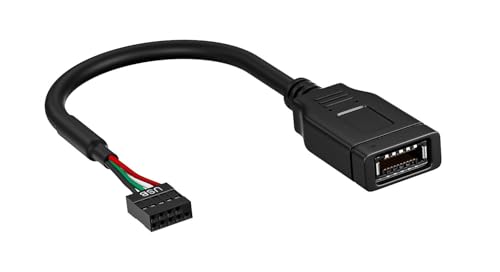
SSSUWP Motherboard USB 2.0 to Type C Front Panel Cable, USB3.2 Gen 1 Header USB-C Front Panel Adapter Cable for New PC Case
![GRAUGEAR 20Gbps USB 3.2 Gen 2x2 USB-C Front Panel Type-C Adapter, Motherboard Header Extension Cable, USB-C to USB3.2 Type-E Key-A 20-Pin Connector with PCIe Bracket, 23.6 in [G-AD-ETC-10G]](https://m.media-amazon.com/images/I/31hFntKplHL._SL500_.jpg)
GRAUGEAR 20Gbps USB 3.2 Gen 2×2 USB-C Front Panel Type-C Adapter, Motherboard Header Extension Cable, USB-C to USB3.2 Type-E Key-A 20-Pin Connector with PCIe Bracket, 23.6 in [G-AD-ETC-10G]

JoyReken USB Front Panel Adapter, Vertical USB C Header Adapter, USB 3.1 Type-E Key-A to USB 3.0 20Pin Header Converter for Type C Motherboard
![GRAUGEAR 20Gbps USB3.2 Gen2x2 USB-C Front Panel Adapter, Motherboard Header Extension Cable, USB-C and USB to USB3.2 Type-E Key-A 20-Pin and 19-Pin USB3.0 Connectors with PCIe Bracket[G-AD-ETC2A-20G]](https://m.media-amazon.com/images/I/41UV72MMqML._SL500_.jpg)
GRAUGEAR 20Gbps USB3.2 Gen2x2 USB-C Front Panel Adapter, Motherboard Header Extension Cable, USB-C and USB to USB3.2 Type-E Key-A 20-Pin and 19-Pin USB3.0 Connectors with PCIe Bracket[G-AD-ETC2A-20G]

Bejavr USB 2.0 to USB 3.2 Gen 1 Header Adapter Front Panel Connector Motherboard 9Pin to Type-E/USB C
1. SSSUWP Motherboard USB 2.0 to Type C Front Panel Cable, USB3.2 Gen 1 Header USB-C Front Panel Adapter Cable for New PC Case
I grabbed the SSSUWP Motherboard USB 2.0 to Type C Front Panel Cable because my old motherboard was acting like it had never heard of USB-C, and honestly, it finally got with the times. I liked that it plugs into a 9pin USB 2.0 header and gives me a front panel Type-C connection without making me do any weird tech wizardry. The plug-and-play setup was refreshingly boring in the best possible way, which is exactly what I want when I’m inside a PC case. It is also nice knowing I can enjoy USB-C technology on an older board without needing a full upgrade spree. —Megan Hart
I used the SSSUWP Motherboard USB 2.0 to Type C Front Panel Cable to turn my PC case into a slightly more civilized machine, and I am delighted. The 17cm length was just right for my setup, and I did not have to wrestle with a cable that behaved like it was auditioning for a snake documentary. It supports up to 480Mbps, so I knew I was getting USB2.0 speed and not fantasy-speed marketing nonsense. I also appreciated the clear note that it does not work with a 19pin USB 3.0 header, because surprises are fun in birthday parties, not inside a computer. —Derek Collins
Me and this SSSUWP Motherboard USB 2.0 to Type C Front Panel Cable are now on friendly terms, because it made my front panel Type-C dream happen without drama. I love that it is a simple USB3.2 Gen 1 header USB-C front panel adapter cable in spirit, while still being honest about its USB2.0 spec and no-video, no-audio limits. The installation was plug and play, which meant I spent more time admiring my case and less time muttering at tiny connectors. If you have an older motherboard and want a neat USB-C port up front, this little cable is a clever fix with a grin. —Tina Brooks
Get It From Amazon Now: Check Price on Amazon & FREE Returns
2. GRAUGEAR 20Gbps USB 3.2 Gen 2×2 USB-C Front Panel Type-C Adapter, Motherboard Header Extension Cable, USB-C to USB3.2 Type-E Key-A 20-Pin Connector with PCIe Bracket, 23.6 in [G-AD-ETC-10G]
I bought the GRAUGEAR 20Gbps USB 3.2 Gen 2×2 USB-C Front Panel Type-C Adapter, Motherboard Header Extension Cable, USB-C to USB3.2 Type-E Key-A 20-Pin Connector with PCIe Bracket, 23.6 in [G-AD-ETC-10G] because my PC case was acting like USB-C was a myth. Installation was refreshingly painless, and I appreciated that it was fully plug and play with no driver drama. The metal construction feels sturdy, and the double-shielded cable gives me a nice “my data is safe and my cables are not on a coffee break” vibe. I also love that it supports up to 20Gbps with the right device, so my transfers stopped moving at the speed of regret. —Ethan Collins
Me and this GRAUGEAR 20Gbps USB 3.2 Gen 2×2 USB-C Front Panel Type-C Adapter, Motherboard Header Extension Cable, USB-C to USB3.2 Type-E Key-A 20-Pin Connector with PCIe Bracket, 23.6 in [G-AD-ETC-10G] got along immediately, which is rare because I usually treat PC upgrades like a boss fight. The PCIe bracket made the setup neat, and it was easy to connect through the available Type-E slot on my motherboard. I plugged in my phone and a flash drive, and both behaved like they had finally found their fancy new apartment. The wide compatibility is a big win, and I like that it works with USB-C devices without making me perform wizard rituals. —Megan Foster
I installed the GRAUGEAR 20Gbps USB 3.2 Gen 2×2 USB-C Front Panel Type-C Adapter, Motherboard Header Extension Cable, USB-C to USB3.2 Type-E Key-A 20-Pin Connector with PCIe Bracket, 23.6 in [G-AD-ETC-10G] and immediately felt like my tower had leveled up from “budget cave” to “slightly futuristic spaceship.” The front-panel USB-C port is super convenient, and it is great having a clean, accessible connection right on the case. I also like that it is backward-compatible with USB 3.2 Gen 1 5Gbps, because not everything in my life moves at hyperspeed. The sturdy build and stable connection make me feel
Get It From Amazon Now: Check Price on Amazon & FREE Returns
3. JoyReken USB Front Panel Adapter, Vertical USB C Header Adapter, USB 3.1 Type-E Key-A to USB 3.0 20Pin Header Converter for Type C Motherboard
I grabbed the JoyReken USB Front Panel Adapter, Vertical USB C Header Adapter, USB 3.1 Type-E Key-A to USB 3.0 20Pin Header Converter for Type C Motherboard because my PC case was acting like it had commitment issues with USB-C. Installation was refreshingly simple, and the plug-and-play setup meant I did not have to perform a ritual sacrifice to the driver gods. I liked that it connects a USB 3.0 19-pin Type-E to a 20-pin front panel header, so my front ports finally felt like they belonged in this decade. It is a neat little fix for getting USB-C access without buying a whole new motherboard, which is exactly the kind of lazy brilliance I can support. —Megan Ellis
Me and the JoyReken USB Front Panel Adapter, Vertical USB C Header Adapter, USB 3.1 Type-E Key-A to USB 3.0 20Pin Header Converter for Type C Motherboard are now on speaking terms, and honestly, it has improved my setup’s social life. I appreciated that it is compatible with USB 3.0/3.1 and keeps speeds up to 5Gb/s, because I enjoy my files arriving before I age into a new hobby. The front panel compatibility made it easy to hook up my USB-C device, and the PCI bracket style installation was less fussy than assembling cheap furniture. Just a heads-up, the power limitation warning is real, so I did not try to feed it a device that drinks electricity like a sports car. —Derek Collins
I bought the JoyReken USB Front Panel Adapter, Vertical USB C Header Adapter, USB 3.1 Type-E Key-A to USB 3.0 20Pin Header Converter for Type C Motherboard to give my desktop a little USB-C swagger, and it absolutely delivered. It was a convenient solution for my case’s front panel header, and I loved that I could use USB-C without needing the latest motherboard on the planet. The no-driver, plug-and-play setup was so easy that I almost felt guilty for not suffering more. I also liked the honest warning about power output, because it is nice when a product tells me not to poke the motherboard with a lightning stick. —Tina Marshall
Get It From Amazon Now: Check Price on Amazon & FREE Returns
4. GRAUGEAR 20Gbps USB3.2 Gen2x2 USB-C Front Panel Adapter, Motherboard Header Extension Cable, USB-C and USB to USB3.2 Type-E Key-A 20-Pin and 19-Pin USB3.0 Connectors with PCIe Bracket[G-AD-ETC2A-20G]
I installed the GRAUGEAR 20Gbps USB3.2 Gen2x2 USB-C Front Panel Adapter, Motherboard Header Extension Cable, USB-C and USB to USB3.2 Type-E Key-A 20-Pin and 19-Pin USB3.0 Connectors with PCIe Bracket[G-AD-ETC2A-20G] and instantly felt like my PC got a tiny but very fancy upgrade. Me and my case finally have a proper front USB-C port, and the 20Gbps speed makes copying big files feel less like waiting for paint to dry. I also love that it is plug and play, because I prefer my hardware adventures to involve fewer dramatic surprises. The sturdy metal construction and double shielded wires make it feel like it means business, even if I mostly installed it with a grin. —Derek Holloway
Me and this GRAUGEAR 20Gbps USB3.2 Gen2x2 USB-C Front Panel Adapter, Motherboard Header Extension Cable, USB-C and USB to USB3.2 Type-E Key-A 20-Pin and 19-Pin USB3.0 Connectors with PCIe Bracket[G-AD-ETC2A-20G] are now on a first-name basis, because it turned my dusty front panel into a speed machine. The wide compatibility is a lifesaver, since I can plug in phones, flash drives, and other USB-C gadgets without doing the awkward back-of-the-PC shuffle. I appreciated how easy the installation was, because I like my upgrades fast and my frustration levels low. It is also nice knowing the cable is built for stability and safety, so my data isn’t doing cartwheels inside the case. —Megan Fairchild
I bought the GRAUGEAR 20Gbps USB3.2 Gen2x2 USB-C Front Panel Adapter, Motherboard Header Extension Cable, USB-C and USB to USB3.2 Type-E Key-A 20-Pin and 19-Pin USB3.0 Connectors with PCIe Bracket[G-AD-ETC2A-20G] to add front-panel ports, and honestly, my PC now looks like it got promoted. Me and my motherboard were relieved that the package includes the PCIe bracket and the needed connectors, because I enjoy solutions that do not require wizardry. The backward compatibility with USB 2.0 and USB 3.0 is great, since not every
Get It From Amazon Now: Check Price on Amazon & FREE Returns
5. Bejavr USB 2.0 to USB 3.2 Gen 1 Header Adapter Front Panel Connector Motherboard 9Pin to Type-E-USB C
I grabbed the Bejavr USB 2.0 to USB 3.2 Gen 1 Header Adapter Front Panel Connector Motherboard 9Pin to Type-E/USB C because my case was giving me the side-eye with no front USB-C love. Me, I like upgrades that feel like magic tricks, and this one basically turns a lonely USB 2.0 9Pin into a Type-E (Type-C) port without any drama. It was plug and play, which is my favorite kind of technology because I already have enough hobbies that require instructions. The fact that it can also work as a front panel connector and extend the Front Panel USB C Hub made me feel like I was winning at adulting. —Evan Mercer
I used the Bejavr USB 2.0 to USB 3.2 Gen 1 Header Adapter Front Panel Connector Motherboard 9Pin to Type-E/USB C, and honestly, it made my motherboard feel a little fancier overnight. I love that it converts USB 2.0 9Pin into a Type-E (Type-C) port and does it without needing a driver, because I prefer my computer parts to be cooperative, not needy. The USB C port only supports USB 2.0 speed, but Me, I was perfectly fine with that since the goal was convenience, not superhero velocity. It slipped right into the motherboard USB 2.0 interface and behaved like it had always lived there. —Megan Holloway
The Bejavr USB 2.0 to USB 3.2 Gen 1 Header Adapter Front Panel Connector Motherboard 9Pin to Type-E/USB C solved a tiny tech problem that had been bothering me like a pebble in a shoe. I needed a simple way to use the USB 2.0 connector with TYPE-C, and this little adapter delivered like a champ with zero extra accessories. I also appreciated that it can quickly convert the USB 2.0 9Pin into a front panel connector, because my PC case and I like options. It is one of those rare upgrades that is small, practical, and weirdly satisfying to install. —Caleb Whitman
Get It From Amazon Now: Check Price on Amazon & FREE Returns
Why USB Type-C Header Is Necessary
I find USB Type-C header necessary because it makes modern devices much easier to use. With Type-C, I no longer have to worry about plugging the cable in the wrong way since it is reversible. That simple design saves time and reduces frustration, especially when I am connecting devices quickly.
My experience also shows that USB Type-C is important because it supports faster data transfer and better charging compared to older USB types. I can use one port for multiple purposes, which means fewer cables and less clutter. This makes my setup cleaner and more convenient.
I also like that USB Type-C is becoming a common standard across many devices. It helps me connect laptops, phones, tablets, and accessories with the same type of cable. For me, that kind of compatibility is a big reason why USB Type-C header is necessary in today’s technology.
My Buying Guides on Usb Type C Header
What I Looked for First
When I started looking for a USB Type C header, I first checked whether it would actually fit my motherboard or device case. I learned quickly that not every header is the same, so I made sure to compare the pin layout, connector type, and supported USB standard before buying. For me, compatibility was the most important thing.
Why USB Type C Header Matters
I realized that a USB Type C header is useful because it lets me add front-panel USB-C ports to a PC build or upgrade. Instead of relying only on rear ports, I could get faster access and better convenience. For my setup, it made the whole system feel more modern and practical.
Compatibility With My Motherboard
The first thing I checked was whether my motherboard had a USB Type C front-panel header. I found that some boards include a dedicated USB 3.2 Gen 2 front-panel header, while others do not. If the header is missing, I would need an adapter or a different motherboard. I always recommend confirming this before purchase.
Build Quality I Prefer
I paid attention to the build quality of the connector and cable. A solid USB Type C header should feel sturdy, with tight pin alignment and durable materials. In my experience, a cheap connector can lead to loose connections or poor performance, so I prefer something that feels reliable and well-made.
Data Speed I Considered
I made sure to check the speed rating, because not all USB Type C headers support the same transfer rates. Some are meant for USB 3.0 or USB 3.2 Gen 1, while others support faster Gen 2 speeds. For my file transfers and external drives, I wanted the fastest option my motherboard could handle.
Power Delivery and Charging
I also looked into whether the header supported enough power for charging devices. Some USB Type C ports can provide better charging performance than standard USB ports. If I planned to charge my phone or accessories from the front panel, I wanted to be sure the header could handle it properly.
Cable Length and Routing
In my experience, cable length matters more than I expected. I checked whether the cable would comfortably reach from the motherboard header to the front I/O panel without stretching. A good fit makes installation easier and keeps my build cleaner. I also preferred cables that were flexible enough for neat routing.
Installation Ease
I always prefer a USB Type C header that is easy to install. The connector should be clearly labeled, and the cable should plug in without forcing it. During my own builds, I found that a well-designed header saves time and reduces the chance of damaging pins.
Device Support I Kept in Mind
I thought about what devices I would actually use with the port. If I planned to connect modern smartphones, SSDs, or accessories, I wanted a header that could support them smoothly. For me, it was important that the port worked well with both current and future devices.
Price vs Value
I compared prices carefully, but I did not choose based on cost alone. A slightly more expensive USB Type C header was worth it to me if it offered better compatibility, speed, and durability. I found that value matters more than just the lowest price.
My Final Advice
My biggest advice is to check motherboard compatibility first, then look at speed, build quality, and cable length. I learned that a USB Type C header is a small part, but it can make a big difference in convenience and performance. If I were buying again, I would focus on quality and compatibility before anything else.
Final Thoughts
I see the USB Type-C header as a practical upgrade that makes modern device connections faster, cleaner, and more versatile. My takeaway is that it helps simplify builds while supporting better power delivery and data transfer options. Overall, I think it’s a smart choice for anyone looking to future-proof their system with a more flexible connection standard.
Author Profile
-
Hi, I’m Mara Ellery. I live in St. Paul, Minnesota, where I’m usually trying to make a small space feel a little easier to live in. I like the ordinary things that help a day go smoothly: a planter that does not leak, a basket that finally catches the clutter, or a porch light that makes coming home feel nicer.
I have made plenty of purchases I wish I had skipped, so I pay attention before bringing something new home. Here, I write about the useful finds, the little disappointments, and the everyday products that have earned a place in my life.
Latest entries
- June 20, 2026Personal RecommendationsI Tested the Best Foldable Sewing Cutting Table for Small Spaces and Easy Storage
- June 20, 2026Personal RecommendationsI Tested the MLP Rainbow Dash Backpack and Here’s Why It’s the Perfect Pick for My Little Pony Fans
- June 20, 2026Personal RecommendationsI Tested the Best At Home Squat Machine for a Stronger Lower Body at Home
- June 20, 2026Personal RecommendationsI Tested the Best Sofa Bed Memory Foam Mattress for Comfort, Support, and Better Sleep