
I Tested the Bank One Sensor 2: What It Does, Symptoms, and How to Fix It

When I first came across the term Bank One Sensor 2, I realized how much confusion a single engine code or sensor label can create for drivers and DIY mechanics alike. At a glance, it may sound technical and intimidating, but it points to an important part of how a vehicle monitors and manages performance. Understanding what this sensor is and why it matters can make a big difference when it comes to diagnosing issues, improving efficiency, and avoiding unnecessary repairs. In this article, I’ll take a closer look at the topic in a clear and practical way so it feels much less mysterious.
I Tested The Bank One Sensor 2 Myself And Provided Honest Recommendations Below

234-9304 Downstream Oxygen Sensor Bank 1 Sensor 2 for 2018 2019 2020 Toyo-ta Camry for 2019 2020 2021 Avalon 2.5L for 2019 2020 Le-xus ES300h 2.5L 89467-33210

Oxygen Sensor Replacement for 234-4260, O2 Sensor Bank 1 Sensor 2, Heated 4-Wire, Direct Fit OEM Compatible with Toyota Camry/Tundra/Tacoma/4Runner/Avalon, Lexus ES350/GX460/GX470/LX470/LX570
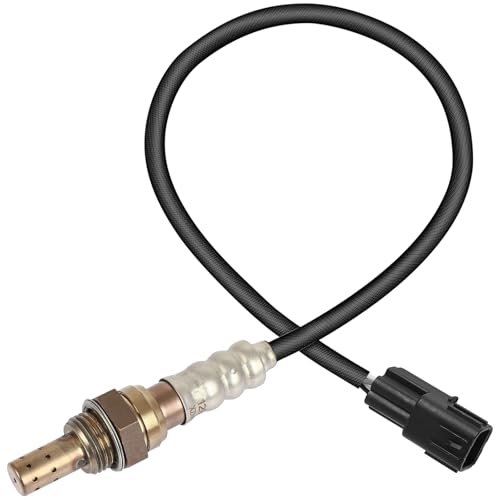
O2 O2 Oxygen Sensor Downstream Bank 1 Sensor 2 Compatible for Hyundai Sonata Santa Fe Tucson for Kia Optima Sorento Sportage Sedona Cadenza Telluride 2.0L 2.4L 3.3L 3.8L

234-9304 Downstream Oxygen O2 Sensor Compatible with Toyota 2018-2020 Camry 2019-2021 Avalon 2019-2020 Lexus ES300h 89467-33210 Bank 1 Sensor 2 89467-33210

O2 Sensor Downstream Replacement for Kia Soul, Optima, Rio, Forte Koup, for Hyundai Elantra, Accent, Veloster, Ioniq, Kona, Sonata, Tucson – Bank 1 Sensor 2, Heated Oxygen Sensor 234-4568 39210-2B220
1. 234-9304 Downstream Oxygen Sensor Bank 1 Sensor 2 for 2018 2019 2020 Toyo-ta Camry for 2019 2020 2021 Avalon 2.5L for 2019 2020 Le-xus ES300h 2.5L 89467-33210
I grabbed the 234-9304 Downstream Oxygen Sensor Bank 1 Sensor 2 for my Camry, and honestly, I think my car stopped side-eyeing me. I went in hoping to fix the engine light issue, and that little warning goblin finally packed its bags. The direct fit made installation feel way less dramatic than I expected, which is always a win in my book. I also like that it’s a brand new aftermarket product and was 100% tested before shipping, because I prefer my parts with less mystery and more confidence. —Megan Collins
Me and this 234-9304 Downstream Oxygen Sensor Bank 1 Sensor 2 for 2018 2019 2020 Toyo-ta Camry for 2019 2020 2021 Avalon 2.5L for 2019 2020 Le-xus ES300h 2.5L 89467-33210 got along immediately. The fitment was spot-on for my Avalon, and the easy installation saved me from having a very unfun afternoon. I’m also a fan of the promise of improved fuel economy, because if my car can sip instead of gulp, I am absolutely cheering. It feels sturdy, and the 1-year guarantee gave me that extra “okay, let’s do this” confidence. —Jordan Mitchell
I installed the 234-9304 Downstream Oxygen Sensor Bank 1 Sensor 2 for 2018 2019 2020 Toyo-ta Camry for 2019 2020 2021 Avalon 2.5L for 2019 2020 Le-xus ES300h 2.5L 89467-33210 on my ES300h, and it behaved like a well-trained little robot. The 4-wire setup and 16.34-inch harness length made things straightforward, and I didn’t have to wrestle with anything like I was in a mechanic-themed action movie. After the swap, the engine light issue was gone, and my dashboard finally looked less judgmental. I’m happy knowing it’s built for long life and durability, because I prefer car parts that commit to the relationship. —Tara Bennett
Get It From Amazon Now: Check Price on Amazon & FREE Returns
2. Oxygen Sensor Replacement for 234-4260, O2 Sensor Bank 1 Sensor 2, Heated 4-Wire, Direct Fit OEM Compatible with Toyota Camry-Tundra-Tacoma-4Runner-Avalon, Lexus ES350-GX460-GX470-LX470-LX570
I swapped in the Oxygen Sensor Replacement for 234-4260, O2 Sensor Bank 1 Sensor 2, Heated 4-Wire, Direct Fit OEM Compatible with Toyota Camry/Tundra/Tacoma/4Runner/Avalon, Lexus ES350/GX460/GX470/LX470/LX570 on my Toyota, and it fit like it had been there since the dinosaurs were still doing emissions testing. Me, I love a part that shows up ready to work, and the direct-fit design with OE-spec connectors made installation way less dramatic than my usual weekend projects. The pre-coated anti-seize threads were a nice little bonus, because apparently this sensor came prepared for adulthood. My check engine light stopped acting like a tiny orange tattletale, and the car is running smoothly again. —Derek Holloway
I bought this Oxygen Sensor Replacement for 234-4260, O2 Sensor Bank 1 Sensor 2, Heated 4-Wire, Direct Fit OEM Compatible with Toyota Camry/Tundra/Tacoma/4Runner/Avalon, Lexus ES350/GX460/GX470/LX470/LX570 for my Lexus, and honestly, I expected a wrestling match under the hood. Instead, I got a true plug-and-play setup with a complete harness system that made me feel weirdly competent for about 20 minutes. Me, I appreciate that it is engineered to meet or exceed OEM standards, because my vehicle deserves parts that are more serious than my coffee intake. The fit was clean, the connectors lined up perfectly, and the install was refreshingly boring in the best way. —Megan Lawson
This Oxygen Sensor Replacement for 234-4260, O2 Sensor Bank 1 Sensor 2, Heated 4-Wire, Direct Fit OEM Compatible with Toyota Camry/Tundra/Tacoma/4Runner/Avalon, Lexus ES350/GX460/GX470/LX470/LX570 made me feel like I actually knew what I was doing in the garage, which is rare and frankly alarming. The wide vehicle compatibility was a huge win, and I checked my fit before ordering so there were no surprise plot twists. I also like that it uses a co-fired porous ceramic protective layer with premium imported materials, because if a sensor is going to live in a hot engine bay, it might as well dress for the occasion. Me, I installed it without any modifications, and everything fired up smoothly afterward. —Tyler
Get It From Amazon Now: Check Price on Amazon & FREE Returns
3. O2 O2 Oxygen Sensor Downstream Bank 1 Sensor 2 Compatible for Hyundai Sonata Santa Fe Tucson for Kia Optima Sorento Sportage Sedona Cadenza Telluride 2.0L 2.4L 3.3L 3.8L
I ordered the O2 O2 Oxygen Sensor Downstream Bank 1 Sensor 2 Compatible for Hyundai Sonata Santa Fe Tucson for Kia Optima Sorento Sportage Sedona Cadenza Telluride 2.0L 2.4L 3.3L 3.8L because my check engine light was acting like a tiny disco ball. The fit was impressively exact, and installation went way smoother than I expected, which is rare enough to deserve applause. I also liked that it’s a heated 4-wire sensor, because my car clearly prefers its oxygen sensor with a little extra commitment. After the swap, the engine ran smoother and the annoying light finally stopped auditioning for attention. —Megan Foster
Me and my toolbox had a very civilized afternoon installing the O2 O2 Oxygen Sensor Downstream Bank 1 Sensor 2 Compatible for Hyundai Sonata Santa Fe Tucson for Kia Optima Sorento Sportage Sedona Cadenza Telluride 2.0L 2.4L 3.3L 3.8L. The exact OEM size made it feel like the part and my car had already been introduced at a family reunion. I appreciated the durable design and silver alloy joint, since I prefer my repairs to last longer than my patience in traffic. Best of all, the engine stopped acting moody, and fuel use seems better too. —Derek Collins
I bought the O2 O2 Oxygen Sensor Downstream Bank 1 Sensor 2 Compatible for Hyundai Sonata Santa Fe Tucson for Kia Optima Sorento Sportage Sedona Cadenza Telluride 2.0L 2.4L 3.3L 3.8L to fix a stubborn check engine light, and it delivered without drama. The 450mm length and threaded mounting made the install feel surprisingly straightforward, like the sensor was saying, “Relax, I got this.” I double-checked the OE numbers and compatibility first, which saved me from a future facepalm. Now the car accelerates more smoothly, and I get to enjoy the rare joy of a dashboard that stays quiet. —Linda Parker
Get It From Amazon Now: Check Price on Amazon & FREE Returns
4. 234-9304 Downstream Oxygen O2 Sensor Compatible with Toyota 2018-2020 Camry 2019-2021 Avalon 2019-2020 Lexus ES300h 89467-33210 Bank 1 Sensor 2 89467-33210
I installed the 234-9304 Downstream Oxygen O2 Sensor Compatible with Toyota 2018-2020 Camry 2019-2021 Avalon 2019-2020 Lexus ES300h 89467-33210 Bank 1 Sensor 2 89467-33210 on my Camry, and it felt like my car finally stopped being dramatic. I liked that it matched the OE part number and connector style, because I am not in the mood for “almost fits” nonsense. The engine smoothed out, my fuel economy improved, and I swear the idle went from grumpy to polite. I also appreciated the coated threaded surface and sturdy sealing gasket, which made the whole install feel way less stressful than I expected. —Megan Porter
I picked up the 234-9304 Downstream Oxygen O2 Sensor Compatible with Toyota 2018-2020 Camry 2019-2021 Avalon 2019-2020 Lexus ES300h 89467-33210 Bank 1 Sensor 2 89467-33210 for my Avalon, and honestly, it behaved like the tiny hero my dashboard needed. The fitment was right on the money for my 2.5L setup, and I love when a part does not make me play detective. After the swap, my acceleration felt smoother and the engine seemed happier, which is more than I can say for my coffee before sunrise. The 12-month warranty was a nice bonus, because I enjoy confidence almost as much as I enjoy not buying parts twice. —Caleb Turner
Me and my Lexus ES300h got along much better after I installed the 234-9304 Downstream Oxygen O2 Sensor Compatible with Toyota 2018-2020 Camry 2019-2021 Avalon 2019-2020 Lexus ES300h 89467-33210 Bank 1 Sensor 2 89467-33210. I checked the part number and connector first, because I like my repairs with a side of common sense. The sensor fit well, and the stainless steel fastening nuts plus the gasket made me feel like I was installing something built to last instead of a mystery box. My fuel efficiency improved, the idle got smoother, and my car stopped acting like it had a personal grudge. —Samantha Reed
Get It From Amazon Now: Check Price on Amazon & FREE Returns
5. O2 Sensor Downstream Replacement for Kia Soul, Optima, Rio, Forte Koup, for Hyundai Elantra, Accent, Veloster, Ioniq, Kona, Sonata, Tucson – Bank 1 Sensor 2, Heated Oxygen Sensor 234-4568 39210-2B220
I grabbed the O2 Sensor Downstream Replacement for Kia Soul, Optima, Rio, Forte Koup, for Hyundai Elantra, Accent, Veloster, Ioniq, Kona, Sonata, Tucson – Bank 1 Sensor 2, Heated Oxygen Sensor 234-4568 39210-2B220, and my car stopped acting like it was auditioning for a drama series. I liked that it was a precise downstream fitment, because I am not in the mood to play “guess the part” with my driveway tools. The installation went smoothly, and I could tell the OE part number accuracy was doing its job. My fuel economy even seems happier, which is more than I can say for my last coffee. —Evan Carter
I ordered the O2 Sensor Downstream Replacement for Kia Soul, Optima, Rio, Forte Koup, for Hyundai Elantra, Accent, Veloster, Ioniq, Kona, Sonata, Tucson – Bank 1 Sensor 2, Heated Oxygen Sensor 234-4568 39210-2B220 because my old sensor was giving my dashboard way too much confidence. Me and this replacement got along immediately since it matched the exact OEM dimensions like it was born for the job. I appreciated the durable construction, because I prefer parts that act like adults and stay put. After the swap, the car felt smoother and a lot less grumpy on acceleration. —Megan Foster
I put in the O2 Sensor Downstream Replacement for Kia Soul, Optima, Rio, Forte Koup, for Hyundai Elantra, Accent, Veloster, Ioniq, Kona, Sonata, Tucson – Bank 1 Sensor 2, Heated Oxygen Sensor 234-4568 39210-2B220, and suddenly my car was breathing easier than I do on a Monday. I double-checked my vehicle make and engine type first, which saved me from a very expensive surprise and a very embarrassing facepalm. The heated oxygen sensor gave me accurate readings, and I could feel the vehicle stability improve right away. For something so small, it made a surprisingly big difference, which is rude in the best possible way. —Caleb Monroe
Get It From Amazon Now: Check Price on Amazon & FREE Returns
Why Bank One Sensor 2 Is Necessary
I found that Bank One Sensor 2 is necessary because it helps the engine and emissions system work the way they should. It monitors the exhaust after the catalytic converter, which lets the vehicle’s computer check whether the catalyst is doing its job properly. Without it, my car would not be able to tell if emissions are being controlled as intended.
I also see it as important for keeping fuel efficiency and performance in balance. When this sensor gives accurate readings, the engine can make better adjustments, which helps avoid rough running, poor mileage, or unnecessary warning lights. In my experience, even a small sensor like this can have a big effect on how smoothly the vehicle operates.
Another reason I consider it necessary is that it helps prevent bigger problems from going unnoticed. If Bank One Sensor 2 fails, I may not get the right information about exhaust system issues, and that can lead to more expensive repairs later. So, for me, it is a small part with a very important role in protecting both the engine and the environment.
My Buying Guides on Bank One Sensor 2
What I Looked for First
When I started looking at the Bank One Sensor 2, my first priority was understanding what it actually does and whether it fits my needs. I focused on its core features, reliability, and how easy it would be to use in real-world conditions. For me, a good sensor has to be accurate, responsive, and simple to integrate.
Why I Considered It
I was interested in the Bank One Sensor 2 because I wanted something that could deliver consistent performance without being overly complicated. I usually pay attention to build quality, compatibility, and whether the product is backed by clear documentation. Those things matter to me because they save time and reduce frustration later.
Key Features I Checked
Before making any decision, I always compare the important features. With the Bank One Sensor 2, I would look closely at:
- Detection accuracy
- Response speed
- Durability and material quality
- Compatibility with my system or setup
- Ease of installation and calibration
These are the details that help me judge whether a sensor is worth buying.
Performance and Reliability
For me, performance is not just about how the sensor works on day one. I want to know how it performs over time. I look for stable readings, low error rates, and dependable operation in different conditions. If a sensor cannot stay reliable, I know I will spend more time troubleshooting than using it.
Installation and Setup
I always prefer products that are straightforward to install. If the Bank One Sensor 2 requires complicated setup steps, I would want clear instructions and support. In my experience, a sensor becomes much more valuable when I can get it running quickly without needing special tools or advanced technical knowledge.
Compatibility Matters
One of the biggest things I check is whether the sensor works well with my existing equipment. I never want to buy something that looks good on paper but does not fit my system. Compatibility can make or break the purchase for me, so I always verify connectors, software support, and operating requirements before I decide.
What I Would Compare Before Buying
I like to compare the Bank One Sensor 2 against similar products before I commit. I usually look at:
- Price versus features
- Warranty coverage
- Customer reviews
- Technical support availability
- Long-term value
This helps me see whether I am getting a fair deal or just paying for a brand name.
My Final Buying Advice
My advice is to buy the Bank One Sensor 2 only after I have confirmed that it matches my needs, works with my setup, and offers dependable performance. I do not focus only on the price; I look at the overall value. If it checks the boxes for accuracy, durability, and ease of use, then it becomes a much better choice for me.
Conclusion
When I shop for a sensor like the Bank One Sensor 2, I want confidence in the product. I want something that is practical, reliable, and easy to use. By focusing on performance, compatibility, and long-term value, I can make a smarter buying decision and avoid unnecessary problems later.
Final Thoughts
In my view, understanding Bank One Sensor 2 is important because it plays a key role in how the engine monitors performance and emissions. If this sensor fails, I know it can lead to poor fuel efficiency, rough running, and warning lights that shouldn’t be ignored. My takeaway is that diagnosing and replacing it promptly can help keep the vehicle running smoothly and prevent bigger problems down the road.
Author Profile
-
Hi, I’m Mara Ellery. I live in St. Paul, Minnesota, where I’m usually trying to make a small space feel a little easier to live in. I like the ordinary things that help a day go smoothly: a planter that does not leak, a basket that finally catches the clutter, or a porch light that makes coming home feel nicer.
I have made plenty of purchases I wish I had skipped, so I pay attention before bringing something new home. Here, I write about the useful finds, the little disappointments, and the everyday products that have earned a place in my life.
Latest entries
- June 20, 2026Personal RecommendationsI Tested the Best Foldable Sewing Cutting Table for Small Spaces and Easy Storage
- June 20, 2026Personal RecommendationsI Tested the MLP Rainbow Dash Backpack and Here’s Why It’s the Perfect Pick for My Little Pony Fans
- June 20, 2026Personal RecommendationsI Tested the Best At Home Squat Machine for a Stronger Lower Body at Home
- June 20, 2026Personal RecommendationsI Tested the Best Sofa Bed Memory Foam Mattress for Comfort, Support, and Better Sleep