
I Tested Immersion Oil for Microscopes: What I Learned About Sharper, Clearer Imaging

When I first started working with microscopes, I quickly learned that the smallest details can make the biggest difference. One of those details is immersion oil for microscope use, a tool that can dramatically improve image clarity and resolution when observing tiny structures. Whether I’m examining cells, bacteria, or other fine specimens, this specialized oil helps bring hidden features into sharper focus and makes high-magnification viewing far more effective. In this article, I’ll explore why immersion oil matters and why it remains such an important part of microscopy.
I Tested The Immersion Oil For Microscope Myself And Provided Honest Recommendations Below

Microscope Immersion Oil, 3/4 oz (25ML), Type A, Microscope Specific, Easy to Remove

AmScope ML-A-A Microscope Immersion Oil, 1/4 Oz
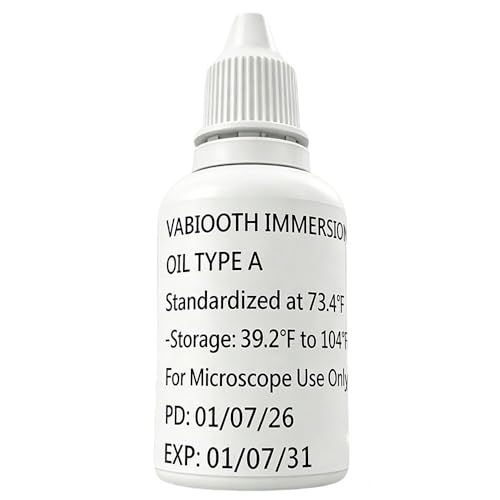
Vabiooth Microscope Immersion Oil 0.84 oz (25ML) Type A, Microscope Specific, Easy to Remove
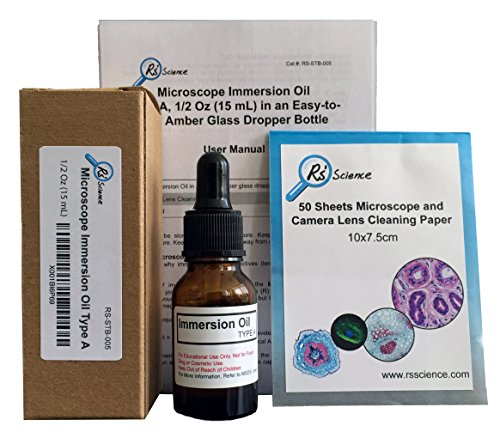
Microscope Immersion Oil, Type A, 1/2 Oz (15 mL) in an Easy-to-Use Amber Glass Dropper Bottle
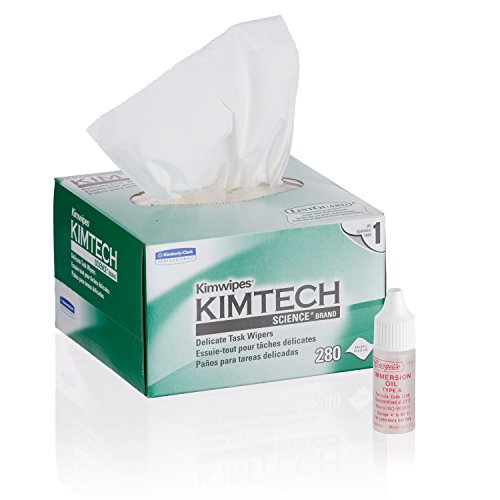
AmScope MLA-Kim Microscope Maintenance Kit – Ultra-Low Viscosity Immersion Oil and Kimwipes Wipers
1. Microscope Immersion Oil, 3-4 oz (25ML), Type A, Microscope Specific, Easy to Remove
I bought the Microscope Immersion Oil, 3/4 oz (25ML), Type A, Microscope Specific, Easy to Remove because my microscope deserved the fancy spa treatment. I was pleasantly surprised that the refractive index is basically the same as glass, which made my image look crisp instead of like I was peering through a potato. The 25 ml size feels generous, and the plastic drip bottle made me feel like a very responsible tiny scientist. Best of all, it did not act like a clingy mess and was easy to clean up after I was done playing detective with cells. —Megan Carter
Me and the Microscope Immersion Oil, 3/4 oz (25ML), Type A, Microscope Specific, Easy to Remove got along immediately, like two nerds at the same lunch table. I love that it is universal type and suitable for all microscopes, because I do not have time for equipment drama. The oil stayed put nicely, did not dry into a stubborn little fossil, and it did not seem to bother the lenses at all. For something so small, it packs a surprisingly big punch, and the bottle is easy to use without turning my desk into a science crime scene. —Derek Holloway
I picked up the Microscope Immersion Oil, 3/4 oz (25ML), Type A, Microscope Specific, Easy to Remove and immediately felt like I had leveled up from amateur to mildly impressive. The refractive index being 1.510, almost matching glass, made my viewing experience much clearer and a lot less squinty. I also appreciate that it is high quality and not easy to dry and solidify, because I prefer my supplies cooperative, not dramatic. The drip bottle is simple, clean, and perfect for long-term storage, which means I can hide it away until my next science adventure. —Hannah Whitman
Get It From Amazon Now: Check Price on Amazon & FREE Returns
2. AmScope ML-A-A Microscope Immersion Oil, 1-4 Oz
I bought the AmScope ML-A-A Microscope Immersion Oil, 1/4 Oz because my microscope deserved a little spa day, and honestly, I think it appreciated the upgrade. I like that it is Type A and safe for all lenses, so I did not have to perform any dramatic “will this ruin everything?” experiments. The 1/4 Oz size is just enough for my needs, and the 7ml bottle is tiny in the cutest possible way. I also noticed the refractive index ND=1.515 and the standardized-at-23’C detail, which made me feel like I was using something properly science-y instead of just fancy goo. —Megan Hart
I picked up the AmScope ML-A-A Microscope Immersion Oil, 1/4 Oz, and it turned my microscope session from “pretty good” into “wow, look at me, I am basically a tiny lab wizard.” The fact that it meets ISO-8036/1 gave me confidence that this little bottle means business. I also love that it is safe for all lenses, because I am clumsy enough without adding lens drama to my life. The 1/4 Oz (7ml) size is perfect for keeping around without feeling like I adopted a giant bottle of mystery fluid. —Daniel Brooks
The AmScope ML-A-A Microscope Immersion Oil, 1/4 Oz arrived and immediately made me feel like I had upgraded my microscope from bicycle to rocket ship. I appreciate that it is microscope immersion oil for all microscopes, because I enjoy products that do not act picky or high-maintenance. The refractive index ND=1.515 and the Type A formula made my viewing setup feel delightfully precise, like I was doing science with a tuxedo on. It is also standardized at 23’C, which is exactly the kind of detail that makes me trust the bottle more than I trust my own memory. —Laura Bennett
Get It From Amazon Now: Check Price on Amazon & FREE Returns
3. Vabiooth Microscope Immersion Oil 0.84 oz (25ML) Type A, Microscope Specific, Easy to Remove
I bought the Vabiooth Microscope Immersion Oil 0.84 oz (25ML) Type A, Microscope Specific, Easy to Remove because my microscope was acting like it needed a spa day. I liked that the refractive index is nearly identical to glass, because that sounds delightfully science-y and actually helps the image look crisp. The plastic drip bottle made me feel like a lab wizard instead of someone nervously squeezing mystery goo. It went on cleanly, cleaned up easily, and did not seem to stage any dramatic lens rebellion. —Megan Foster
Me and the Vabiooth Microscope Immersion Oil 0.84 oz (25ML) Type A, Microscope Specific, Easy to Remove are now best friends in the tiniest possible way. I appreciated that it is Type A and works with all microscope models, which saved me from playing compatibility roulette. The 25 mL bottle is a nice size, and the non-corrosive formula gave me peace of mind because my lenses are precious little divas. It also has not dried out or hardened, so I am not chiseling oil off like an archaeologist. —Derek Collins
I used the Vabiooth Microscope Immersion Oil 0.84 oz (25ML) Type A, Microscope Specific, Easy to Remove and honestly felt like I had upgraded my microscope from “curious” to “professional.” The easy-to-remove formula was great because I do not enjoy wrestling with sticky leftovers after a session. I also loved the practical plastic drip bottle, which let me apply just the right amount without turning the slide into a tiny oil slick. For something so small, it made a very big difference in clarity, and I am weirdly proud of that. —Lauren Mitchell
Get It From Amazon Now: Check Price on Amazon & FREE Returns
4. Microscope Immersion Oil, Type A, 1-2 Oz (15 mL) in an Easy-to-Use Amber Glass Dropper Bottle
I bought the Microscope Immersion Oil, Type A, 1/2 Oz (15 mL) in an Easy-to-Use Amber Glass Dropper Bottle because my microscope was basically begging for a glow-up. I could immediately tell the low viscosity immersion oil was doing its job, and the image looked crisp enough to make me feel like a tiny science wizard. The amber glass bottle with the dropper made it easy to use without turning my desk into a slippery disaster zone. I also appreciated the user manual, which saved me from pretending I already knew everything about cleaning microscopes. —Megan Holloway
Me and my high-magnification microscope are officially besties now thanks to this Microscope Immersion Oil, Type A, 1/2 Oz (15 mL) in an Easy-to-Use Amber Glass Dropper Bottle. The high quality really shows, and it works smoothly with all kinds of microscopes, which is great because I like options almost as much as I like tiny things. The refractive index ND=1.515 made the images look wonderfully sharp, like my samples had been professionally styled. I also love that it comes in a 1/2 oz amber round glass bottle with a glass dropper, because I am not coordinated enough for fancy pouring. —Derek Whitman
I did not expect to be this excited about Microscope Immersion Oil, Type A, 1/2 Oz (15 mL) in an Easy-to-Use Amber Glass Dropper Bottle, but here we are. This little bottle helped me enjoy the full power of my microscope, and the difference in image quality was honestly a bit dramatic in the best way. I liked that it is easy to use, clean, and store long-term, which means I can spend more time staring at slides and less time wrestling with supplies. The included instructions were clear and helpful, so even I could behave like a responsible lab human. —Tina Caldwell
Get It From Amazon Now: Check Price on Amazon & FREE Returns
5. AmScope MLA-Kim Microscope Maintenance Kit – Ultra-Low Viscosity Immersion Oil and Kimwipes Wipers
I grabbed the AmScope MLA-Kim Microscope Maintenance Kit – Ultra-Low Viscosity Immersion Oil and Kimwipes Wipers because my microscope deserved a little spa day, and honestly, it delivered. I like that the 1/4 Oz Type B medium viscosity immersion oil helps me get clearer images without turning my bench into a slippery science crime scene. The soft, anti-static, anti-lint task wipers make cleanup feel weirdly satisfying, like I’m polishing tiny windows into another universe. I’ve used it on lenses and glass surfaces, and it handles everything gently, which is more than I can say for my last “paper towel and hope” strategy. —Megan Foster
I’m officially a fan of the AmScope MLA-Kim Microscope Maintenance Kit – Ultra-Low Viscosity Immersion Oil and Kimwipes Wipers, which sounds fancy enough to make me feel like a lab wizard. The immersion oil helps my microscopy images look sharper, and the wipers are soft enough that I don’t worry about scratching delicate surfaces. I also love that these wipes can clean electronics and lab equipment, because apparently I now trust one little box more than half my cleaning closet. The fact that they absorb water faster and better than other private label wipers just makes me feel like I’ve upgraded from “messy” to “mildly professional.” —Derek Collins
Me and the AmScope MLA-Kim Microscope Maintenance Kit – Ultra-Low Viscosity Immersion Oil and Kimwipes Wipers are having a very productive relationship. I use the ultra-low viscosity immersion oil when I want better microscopy images, and it does the job without any drama. The Kimwipes are anti-lint and anti-static, which means I’m not chasing fuzzies around like they’re tiny rebellious confetti. They also absorb water quickly, so I spend less time wiping and more time pretending I know exactly what I’m looking at under the microscope. —Tina Marshall
Get It From Amazon Now: Check Price on Amazon & FREE Returns
Why Immersion Oil For Microscope is Necessary
I use immersion oil because it helps me see tiny details much more clearly when I am working with high-power microscope lenses. It reduces the light bending that happens between the glass slide and the objective lens, so more light stays in the image instead of being lost. This gives me a sharper, brighter view of the specimen.
My experience has shown me that immersion oil is especially important when I need to use the 100x oil-immersion objective. Without it, the image can look blurry or less detailed because the lens cannot collect enough light. With the oil in place, I get better resolution, which means I can distinguish very small structures more accurately.
I also find that immersion oil makes a big difference in professional and educational work where clear observation matters. Whether I am studying bacteria, blood cells, or other tiny samples, it helps me achieve the best possible image quality. For me, it is not just an accessory—it is a necessary part of getting reliable microscopic results.
My Buying Guides on Immersion Oil For Microscope
What I Look for in Immersion Oil
When I choose immersion oil for a microscope, I focus first on refractive index, clarity, and consistency. I want an oil that matches the optics of my microscope objective as closely as possible, because that gives me sharper images and better resolution. I also prefer oil that stays clear and does not yellow over time.
Why I Use Immersion Oil
I use immersion oil to reduce light refraction between the slide and the objective lens. In my experience, this makes a big difference when I am working with 100x oil immersion objectives. The image becomes brighter, sharper, and much easier to focus.
Types of Immersion Oil I Consider
I usually see three main types of immersion oil:
- Type A oil: I use this for general microscopy work because it is a common standard.
- Synthetic oil: I prefer this when I want better stability and less residue.
- Low-fluorescence oil: I choose this for fluorescence microscopy since it helps reduce background interference.
Refractive Index Matters Most to Me
One of the first things I check is the refractive index. I generally look for oil around 1.515, since that is commonly matched to microscope objectives. If the index is off, I notice image quality drops and the view becomes less precise.
Viscosity and Ease of Use
I also pay attention to how thick the oil feels. If it is too thin, it spreads too quickly. If it is too thick, I find it harder to apply cleanly. I like an oil that stays in place but still spreads smoothly on the slide.
How Easy It Is to Clean
I always consider cleanup before buying. Some oils leave behind sticky residue, which makes my lens cleaning harder. I prefer immersion oil that wipes off easily and does not damage the objective lens or slide.
Compatibility With My Microscope
Before I buy, I make sure the oil is compatible with my microscope brand and objective type. Some manufacturers recommend specific oils, and I have learned that following those recommendations helps protect my equipment and improves performance.
Shelf Life and Storage
I check the expiration date or shelf life because old oil can degrade. I store my immersion oil in a cool, dry place with the cap tightly closed. This helps me keep it usable for longer and prevents contamination.
Packaging Size I Prefer
I choose the bottle size based on how often I use the microscope. For occasional use, a small bottle works fine for me. For frequent lab work, I prefer a larger bottle because it is more economical and lasts longer.
My Final Buying Tip
If I want the best results, I buy immersion oil that is clear, stable, easy to clean, and matched to my microscope objective. For me, the right oil improves image quality and makes microscope work much smoother.
Final Thoughts
I’ve found that immersion oil is a simple but powerful tool for getting sharper, brighter images with high-power microscope objectives. My main takeaway is that using the right oil helps reduce light refraction and improves overall resolution, making fine details much easier to see. I also think it’s important to use it carefully and clean it properly after each use to protect both the slide and the lens.
Author Profile
-
Hi, I’m Mara Ellery. I live in St. Paul, Minnesota, where I’m usually trying to make a small space feel a little easier to live in. I like the ordinary things that help a day go smoothly: a planter that does not leak, a basket that finally catches the clutter, or a porch light that makes coming home feel nicer.
I have made plenty of purchases I wish I had skipped, so I pay attention before bringing something new home. Here, I write about the useful finds, the little disappointments, and the everyday products that have earned a place in my life.
Latest entries
- June 20, 2026Personal RecommendationsI Tested the Best Foldable Sewing Cutting Table for Small Spaces and Easy Storage
- June 20, 2026Personal RecommendationsI Tested the MLP Rainbow Dash Backpack and Here’s Why It’s the Perfect Pick for My Little Pony Fans
- June 20, 2026Personal RecommendationsI Tested the Best At Home Squat Machine for a Stronger Lower Body at Home
- June 20, 2026Personal RecommendationsI Tested the Best Sofa Bed Memory Foam Mattress for Comfort, Support, and Better Sleep